
In the early/mid 1980s – thanks in no small part to Tom Selleck, his charisma, his moustache, his short Ocean Pacific shorts, and the iconic red Ferrari 308GTSi – the sports car world shifted from big front engine, rear wheel drive cars to low, mid-engine, rear wheel drive layouts. Formerly the exclusive realm of storied marques like Ferrari, Lamborghini, Maserati, Alpine, DeTomaso and the like, along with a few low-production/concept vehicles from BMW, Mercedes-Benz, and even the Corvette team at Chevrolet, the mid-1980s saw inexpensive cars like the Pontiac Fiero and Toyota MR2 put such exotica in the reach of the ordinary consumer. At the same time, other mainstream brands began work on their own interpretations of the high-end side of mid-engine motoring.
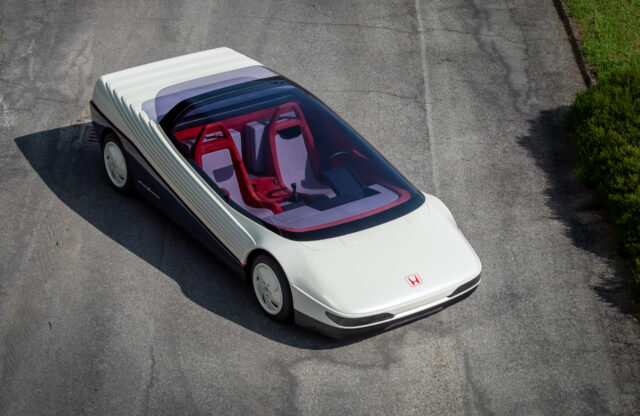 Honda hit the ground running in 1984 with their HP-X concept featuring angular, wedge styling, a large greenhouse, and a mid-mounted 2.0 liter V6 engine coupled with a 5-speed manual transmission. While the Pininfarina-designed HP-X was a hit on the auto show circuit, it was never intended for mass production thanks to complexities and safety concerns related to such features as the perspex full canopy. Still, it demonstrated that the little motorcycle company from Shizuoka known for its supremely reliable economical runabouts and buzzy motorbikes had vision and aspirations well beyond their current fleet offerings. It also set a very clear stage for what would become the Honda/Acura NSX.

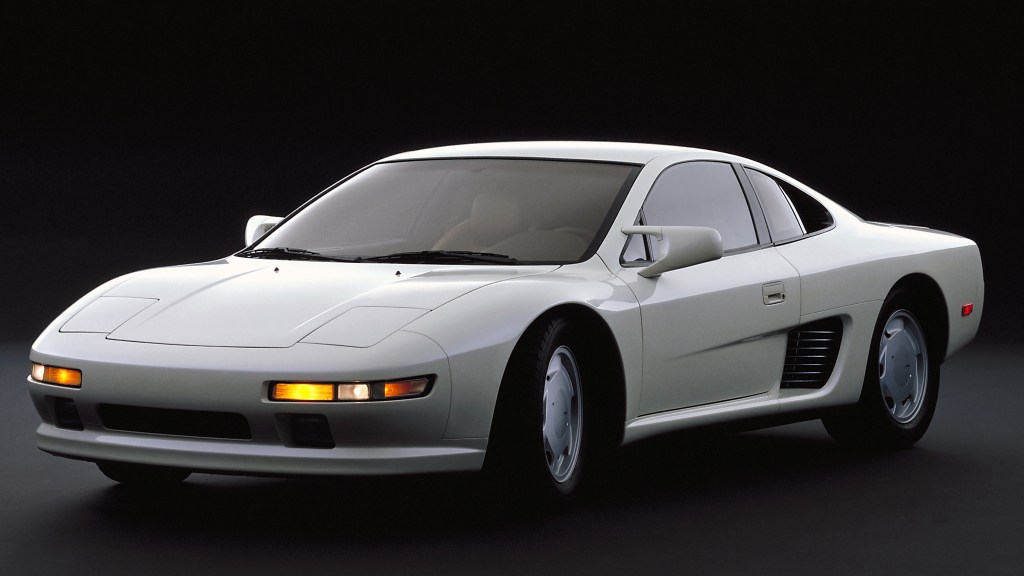
Meanwhile, Nissan also got into the act with their Mid4 mid-engine coupe resembling a cross between a Ferrari BB512 and a contemporary Nissan 300ZX. I remember all too well seeing this beauty grace the covers of just about every car magazine on the stands following its introduction at the 1985 Frankfurt Auto Show. No doubt it caught the Europeans by surprise, not only because it looked the part, but it also included exotic features such as all wheel drive and four wheel steering. Sadly, neither the Mid4 nor its 1987 Mid4-II successor ever made it to production. Still, they helped set a stage and served as testbeds for multiple forthcoming Nissan sporting cars including the next generation 300ZX and Skyline GT-R.
Around the same time those new 300ZXs and Skyline GT-Rs were hitting the streets, Honda introduced their NSX – Branded “Acura” in North America and Hong Kong, and “Honda” everywhere else. The “NSX” moniker originally referred to “New Sportscar Experimental” although the only real experiment here would ultimately be how the market would take to a Japanese Ferrari fighter. From a distance, a casual observer would be forgiven for mistaking the lithe $60,600 (about $140K in 2025) NSX for something born in Italy, but while the cost of entry was astronomical for a Japanese anything at that time, the cost of upkeep would put the Italians and the Germans to shame. It looked the part, and following extensive input from the F1 legend Ayrton Senna in addition to a first-rate design team at Honda, it drove the part.
Performance-wise, the original NSXs 3.0 liter V6 (Later upped to 3.2 liters) delivered 270hp and 210 lb-ft of torque, which in turn propelled the NSX from 0-60 in about 5.6 seconds and was capable of a top-speed of 168mph. Like many Hondas old and new, the NSX was capable of – even wanting of – some seriously high revs with top horsepower coming online at 7,300 rpm and a redline of 8,000 rpm. All of this from a V6 engine remarkably similar to that used in the contemporary Acura Legend sedan and coupe. All the while, if was good for an impressive average of nearly 24 mpg. In comparison, the 1991 Ferrari 348TB – with a 3.4 liter V8 and costing significantly more than the NSX – delivered 300hp, 238 lb-ft of torque, 0-60 in 5.6 seconds, and a top speed of 171mph. Oh yeah, it also got 13mpg city and 19 on the highway, in case you’re concerned with such things.
For folks like me, equally as important as the performance specs on a car like this are the annual maintenance costs. I admit it: while I could muster the funds from a variety of poorly-considered sources to buy the likes of a mid-engine Ferrari, I FEAR the costs associated with maintaining it. A quick internet search tells me that annual maintenance for a 348TB should be in the range of $2,000 – $4,000, but that’s not where it ends. Every 5 years the timing belt must be replaced to the tune of $6,000-$10,000, a clutch will run you around $4,000, and so on. The NSX, on the other hand, calls for about $1,000 per year on the high end for general maintenance. Every 6 years a new timing belt is in order, for a cost of about $2,000 including water pump, and the clutch is in the same general neighborhood as for the Ferrari. Still, in all the cost of ownership is compelling compared with more exotic cars, and frankly I’d put money on the Honda product to just function more reliably. I had a Prelude and a Legend back in the day – I know of which I speak! Ultimately, Honda sold approximately 18,685 1st generation NSXs – not a tremendous amount, but not exactly scarce either.
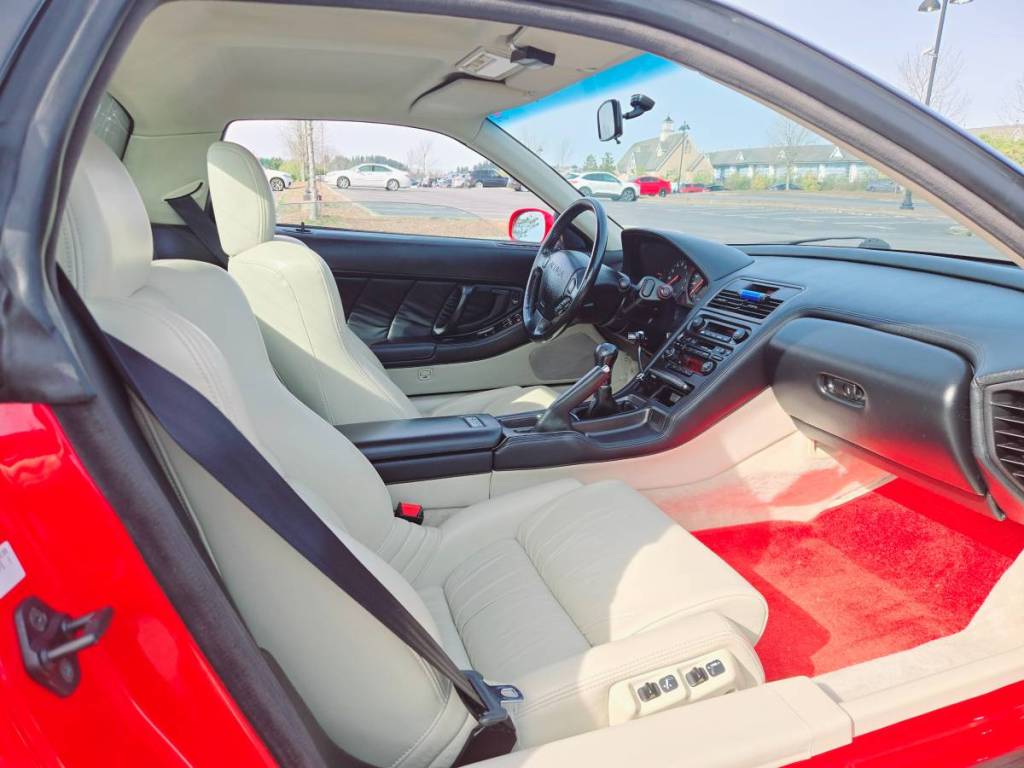
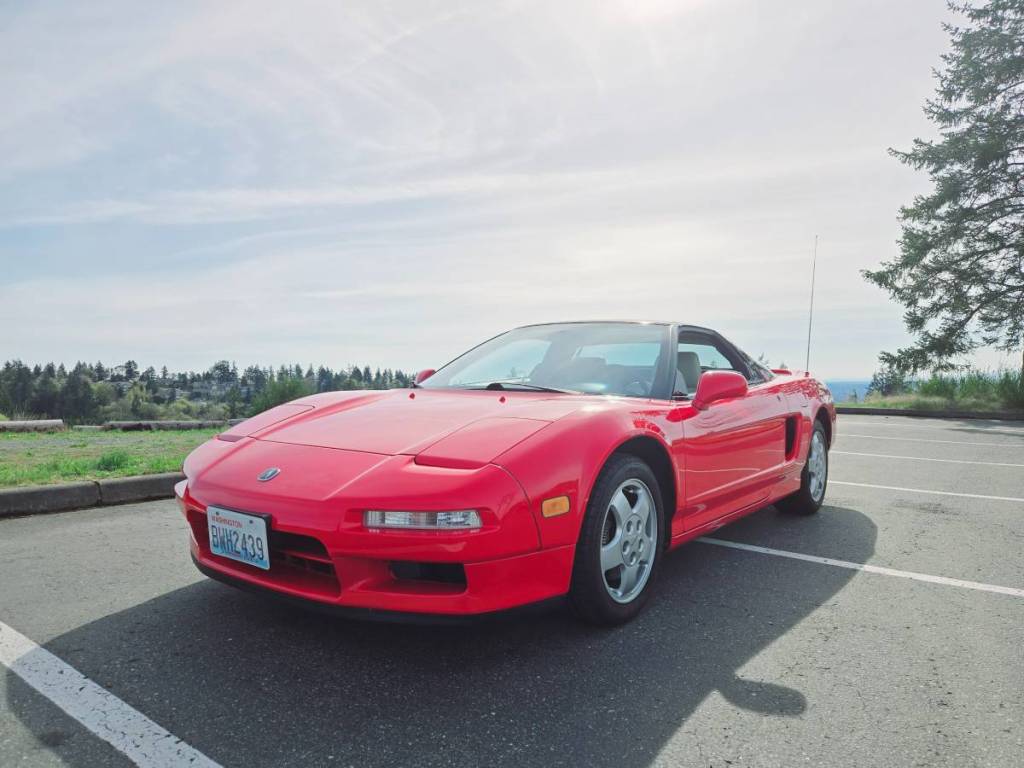
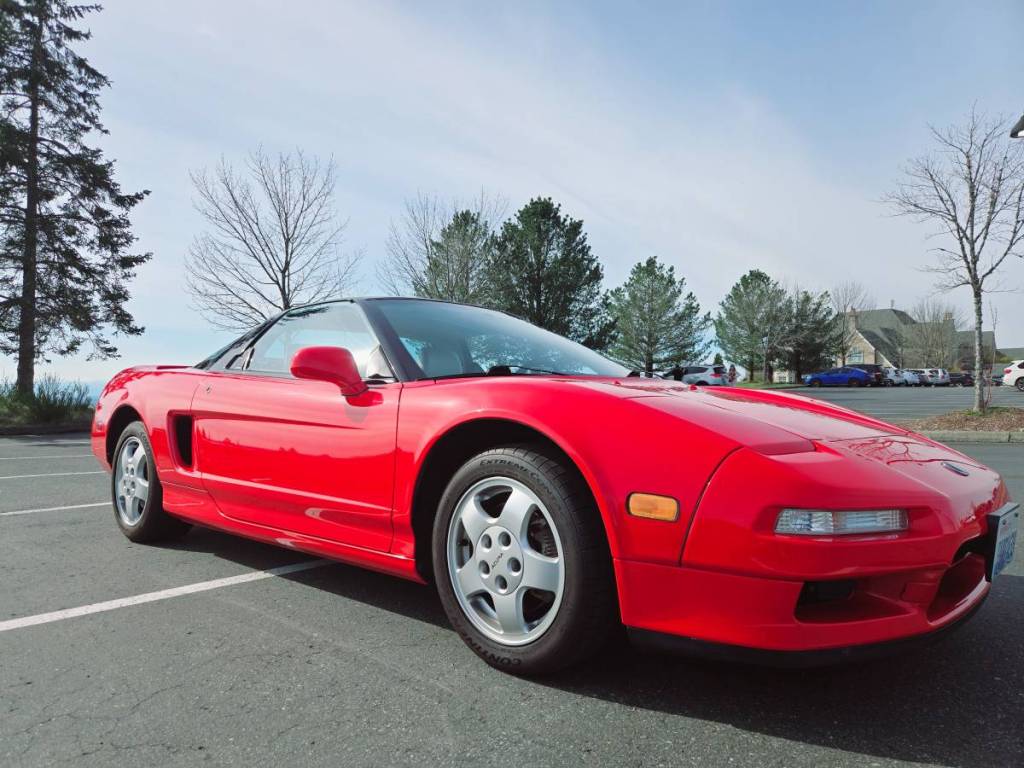
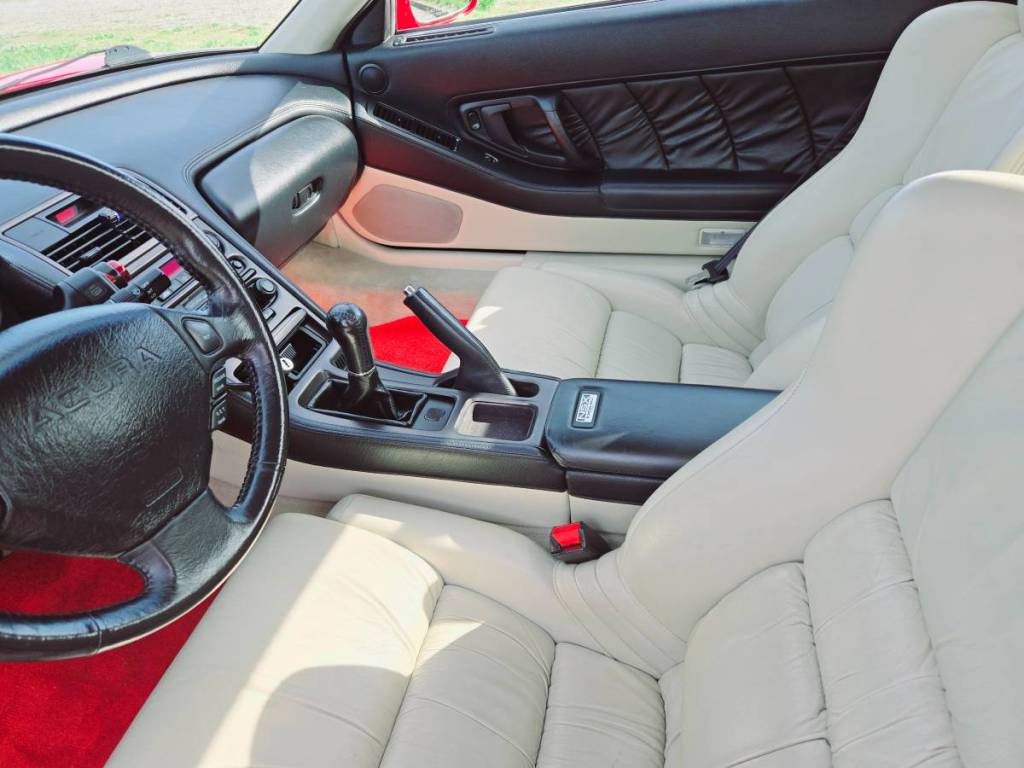
The NSX you see here, an accidental Craigslist find out of Bellevue, Washington with an asking price of $86,500 really motivated me to look back at these great cars. It is a timeless design, and while not in the same performance league as modern supercars, it is by no means a slouch even by 2025 standards. The interior lacks screens and CarPlay, but in a good way and one that will be familiar to anyone who spent time in any Honda/Acura product of the late-1980s through the 1990s, with clean, logical, and ergonomically friendly layouts generally eschewed by supercar designers. The seats are comfortable and entry/exit do not require extensive contortionist training. It’s low, but the doors open wide and the sills are relatively narrow.
If I somehow managed to convince my better half that a clean, low-mileage NA NSX like this is a sound financial decision (it is), would be more cost-effective to run than pretty much anything else in our fleet (it would), and could put a giant smile on my face every time I drove it (it could), then I wouldn’t hesitate to bring this one into the fold. With substantial recent maintenance including tires, clutch, and timing belt, it should be good to go for some time without much more than fuel. I would, however, have to do something about the blindingly red floor mats. Just, no.
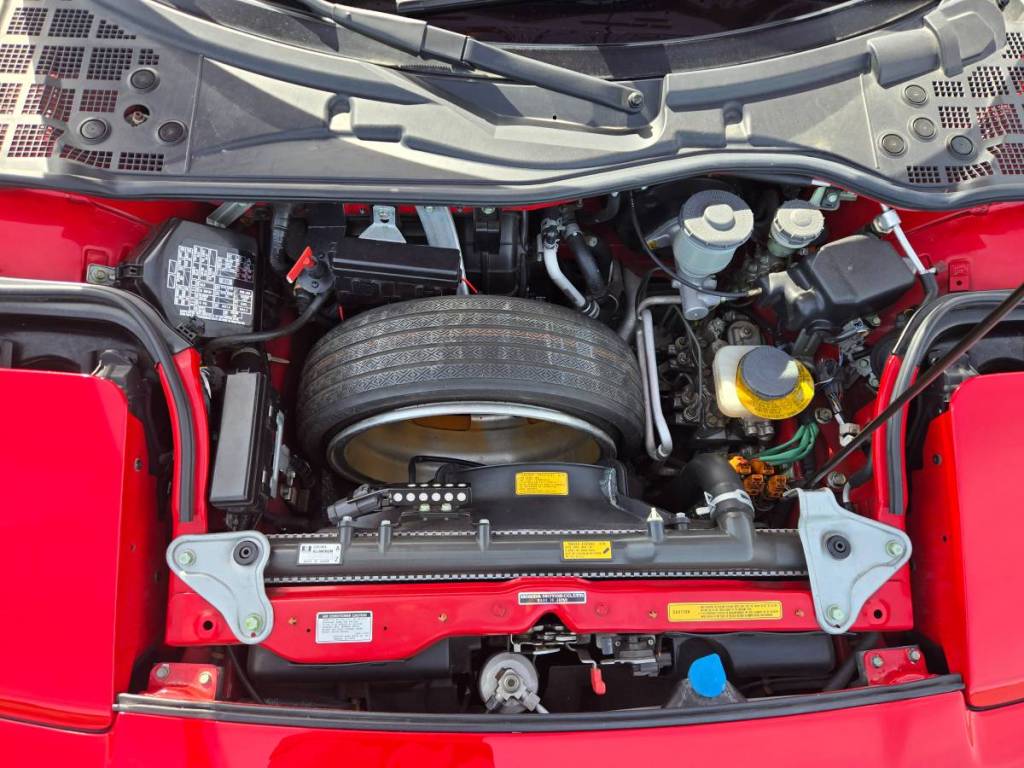
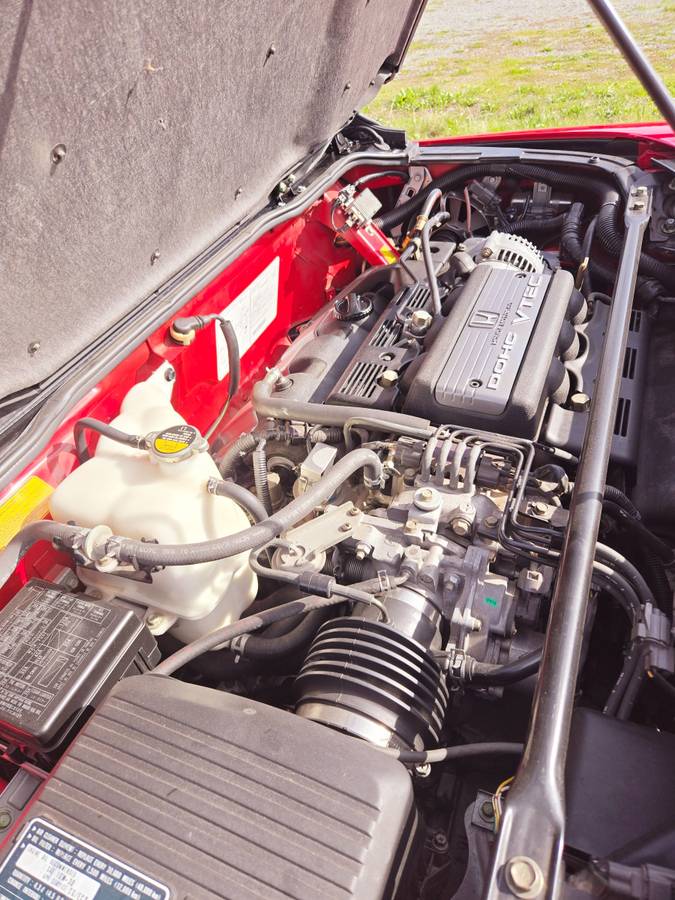
I like that the miles on this car – at just under 50K – are not so low you can’t drive it but are low enough that with the obvious care lavished on it looks and likely feels very close to how one of these felt in 1991. The seats and carpets are unmarked, the wheels are unscuffed, the engine is clean without the sheen of 10 gallons of detailing grease, and the frunk looks like it’s hardly ever been opened. Win, win, win, and win.
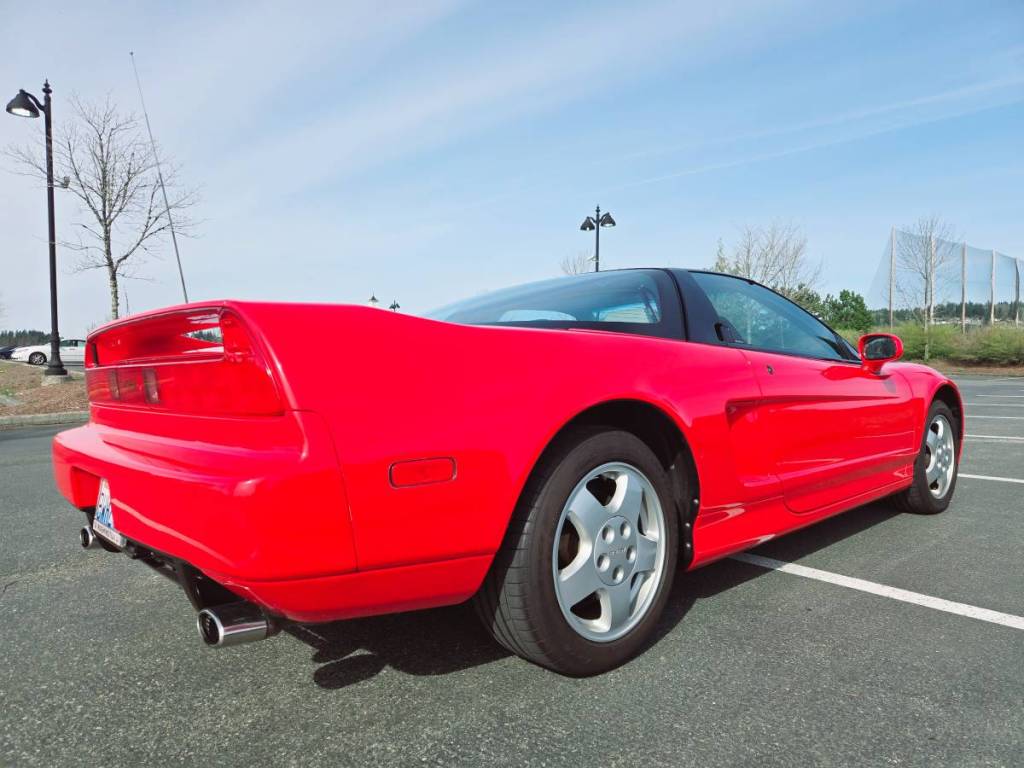
I respect the supercars of my youth, and may yet try to entice one to my driveway one of these days. But where I sit today, this is a far more compelling proposition, and in the apparent condition of this example I would argue that you could buy, own, and drive for a year, three years, five years, or more, and end up even or even ahead. They’re not making them like these any more, prices are on the rise, and there are a lot of examples out there that were ridden hard and put away wet. Compelling, indeed, but then I’d need to free-up a space in the garage – but which one??


 Totally That Stupid
Leave a reply to tysonhugie Cancel reply