
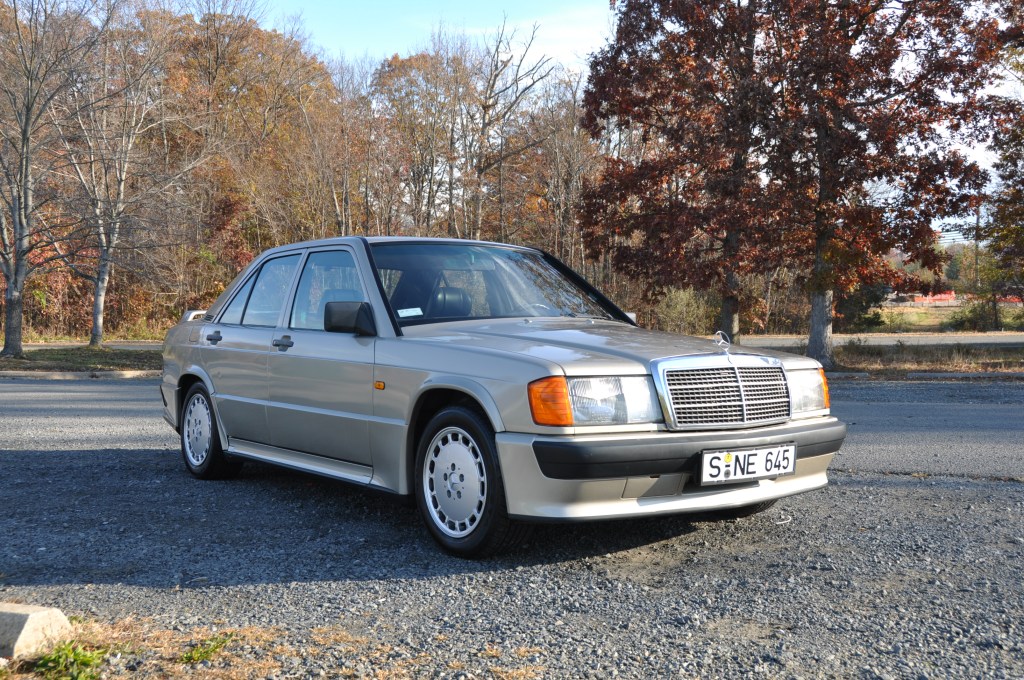
I have a confession: I have an unhealthy obsession about Mercedes-Benz headlight designs from the 1960s through the 1990s. Well, perhaps it is not so much as an obsession as a fixation, but that is just quibbling over terms. The fact is that thanks to the American need to standardize so many things universally, key design elements of some of my favorite Mercs were severely – but not irreparably – compromised.
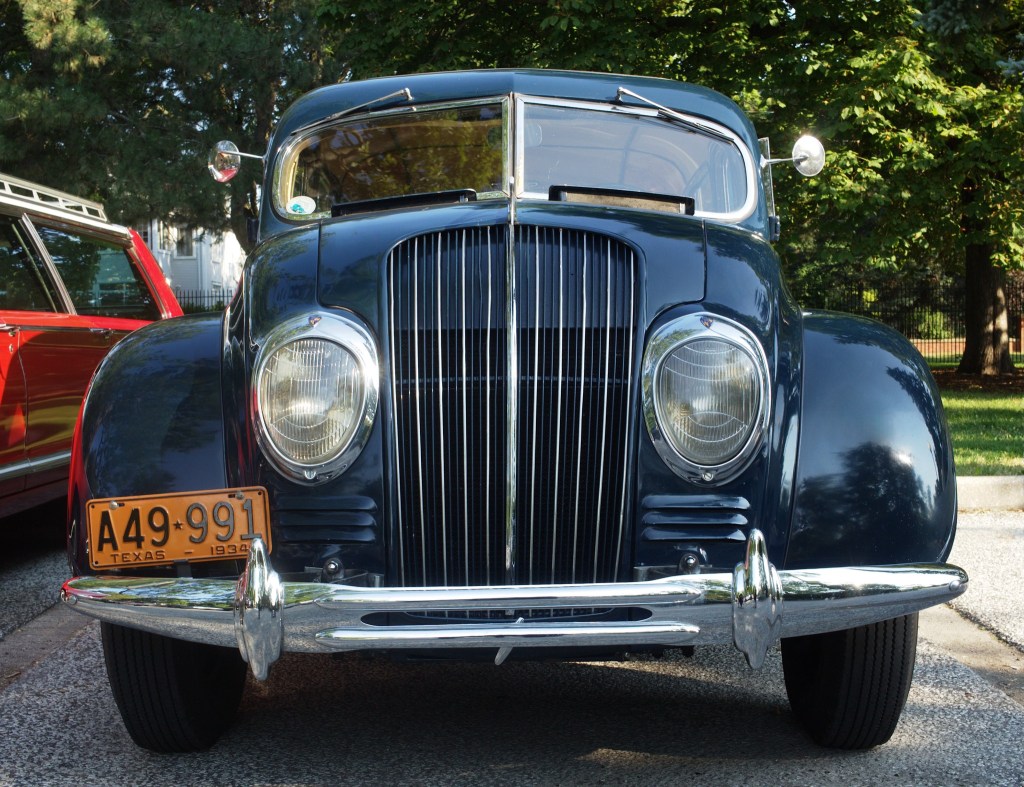
First, a little history. Up until 1940, car designers all over the world were free to do anything they wanted with headlight design, within reason. Lights had to illuminate the road ahead and starting in the 1920s dual high- and low-beams were the norm. Some makers even incorporated dimmer “city” lights. Then, in 1940, everything changed when General Electric introduced the 7 inch round sealed beam headlight, and United States law required that every car sold in the country must be equipped with two of these round sealed-beam headlights containing dual filaments for both low- and high-beam light. The argument was primarily to control supply chain issues, but there were supposed additional benefits such as lamps not allowing dirt or moisture inside them.
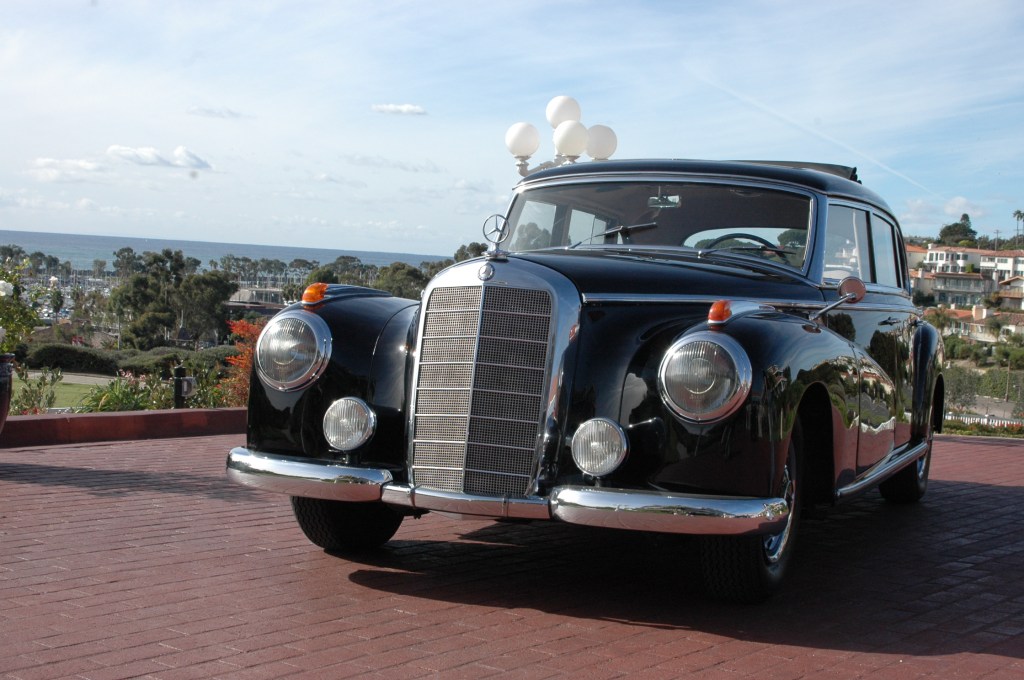
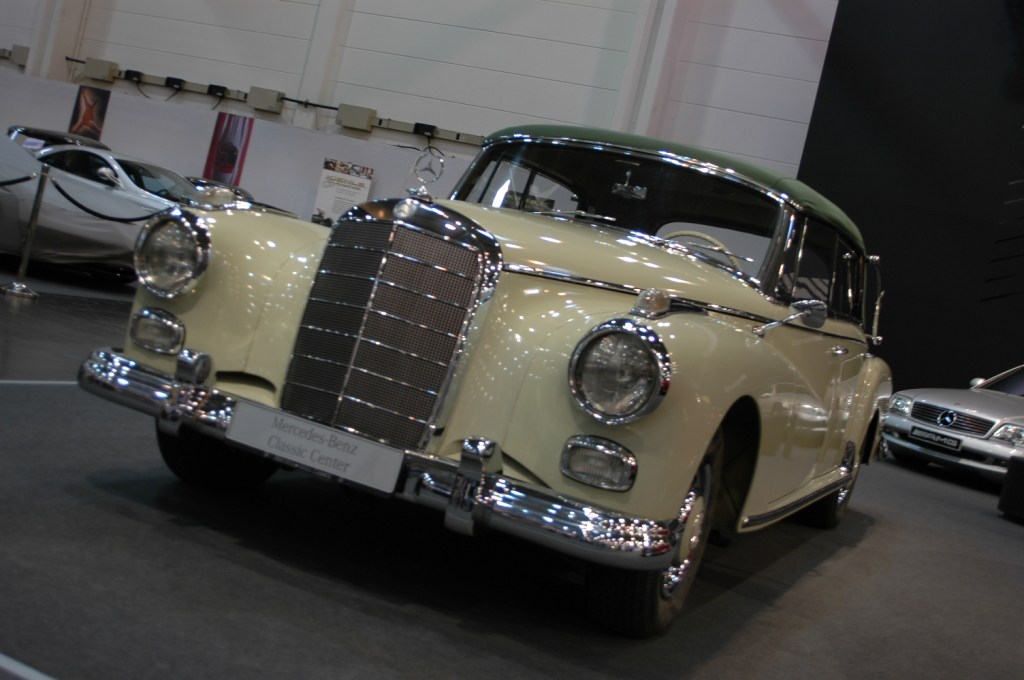
At that time, Mercedes designers incorporated this requirement into their thinking for cars like the 220, 300 Adenauer, 300SL Gullwing, and Ponton. While “rest of world” (RoW) versions of these cars had different bulb/lens combinations, the dimensional designs facilitated the ability to use either style headlight as appropriate.
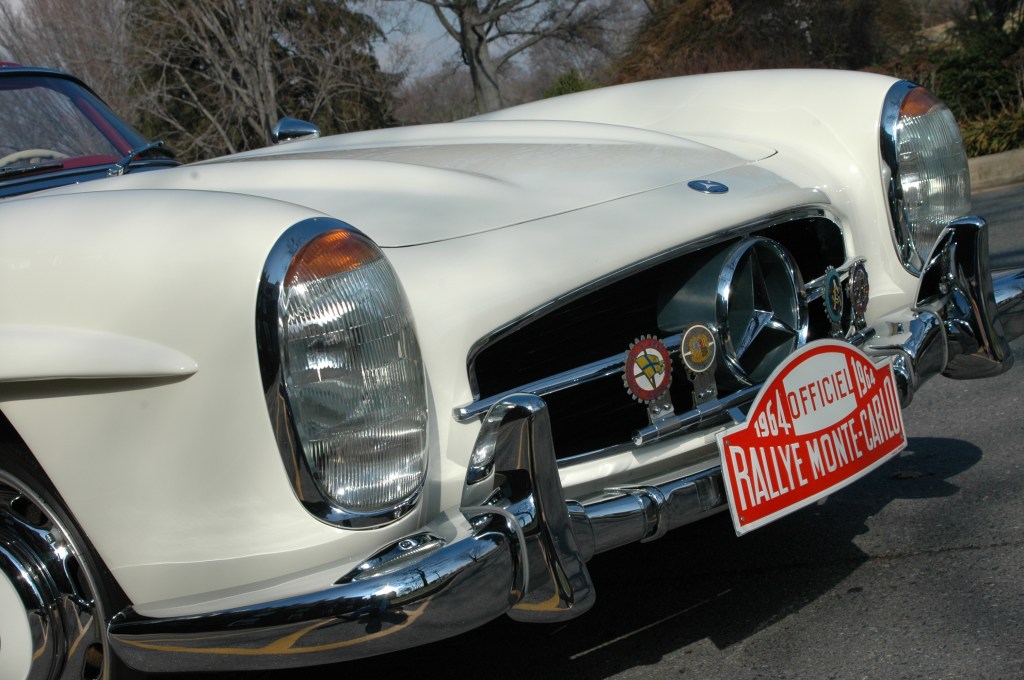
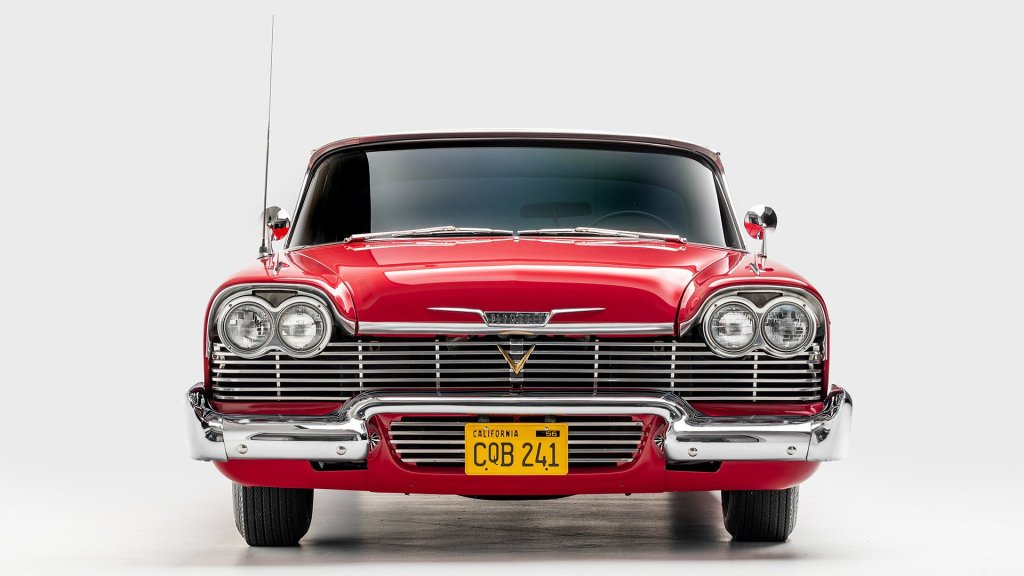
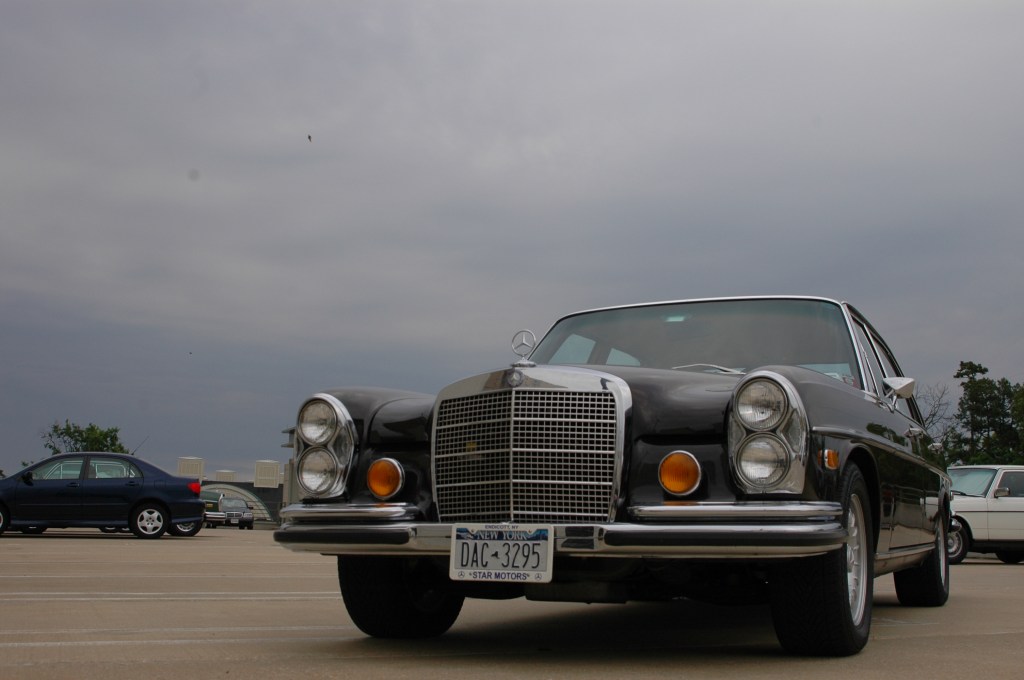
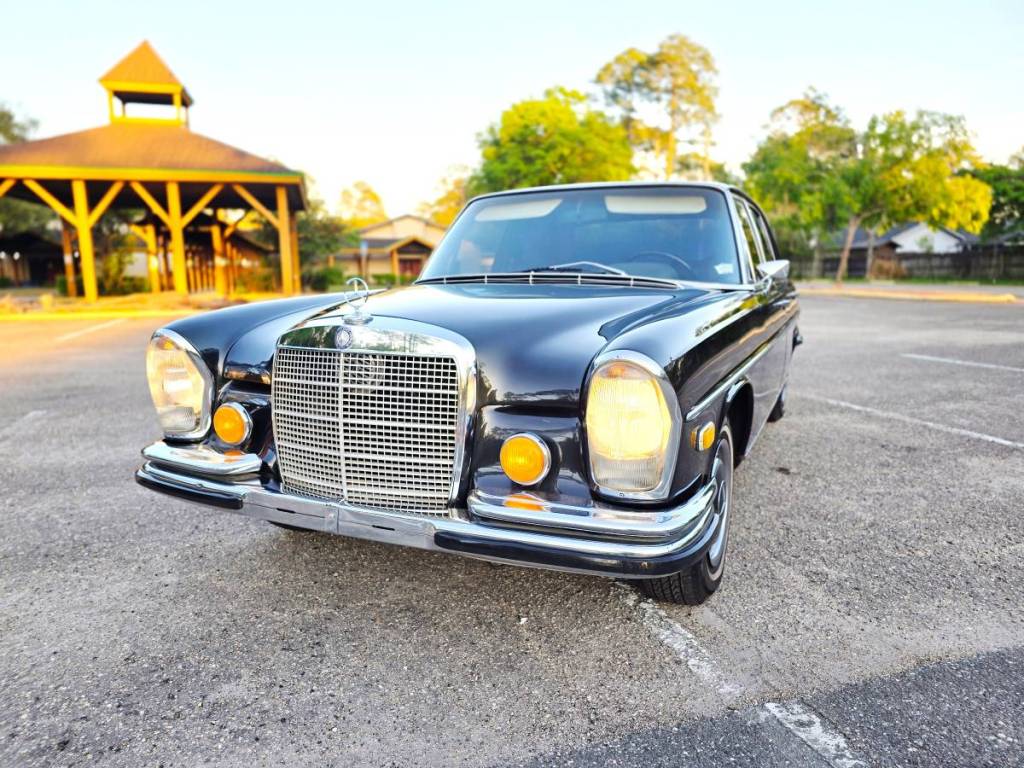
In 1957, under pressure from the big three automakers in the States, U.S. law changed slightly to allow four 5 ¾ inch sealed beam headlights instead of the two larger units. While still very limiting from a design perspective as technology progressed, the shift at least provided some design options, especially as designers were leaning into the flamboyancy of the time with such elements as tail fins, pillarless “hardtops”, and other elements hearkening to the space age. It took Mercedes another two years, but in 1959 they pounced with their first unique composite headlight design and a clear distinction between the U.S. and RoW models with the vertical headlights on upscale “S” fintail models. The large, upright, glass lens, as the designers intended, was modern and delivered far superior illumination to the already dated sealed beams, but the law was the law so U.S. cars received two of the newer, smaller sealed beam lights on each side arranged vertically in a chromed housing.
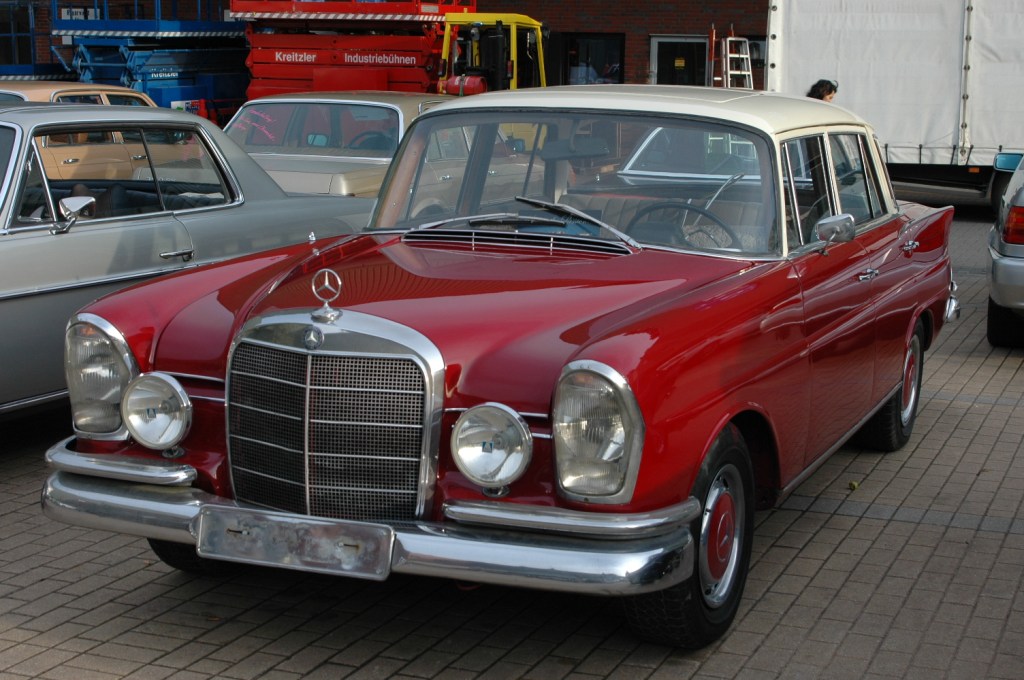
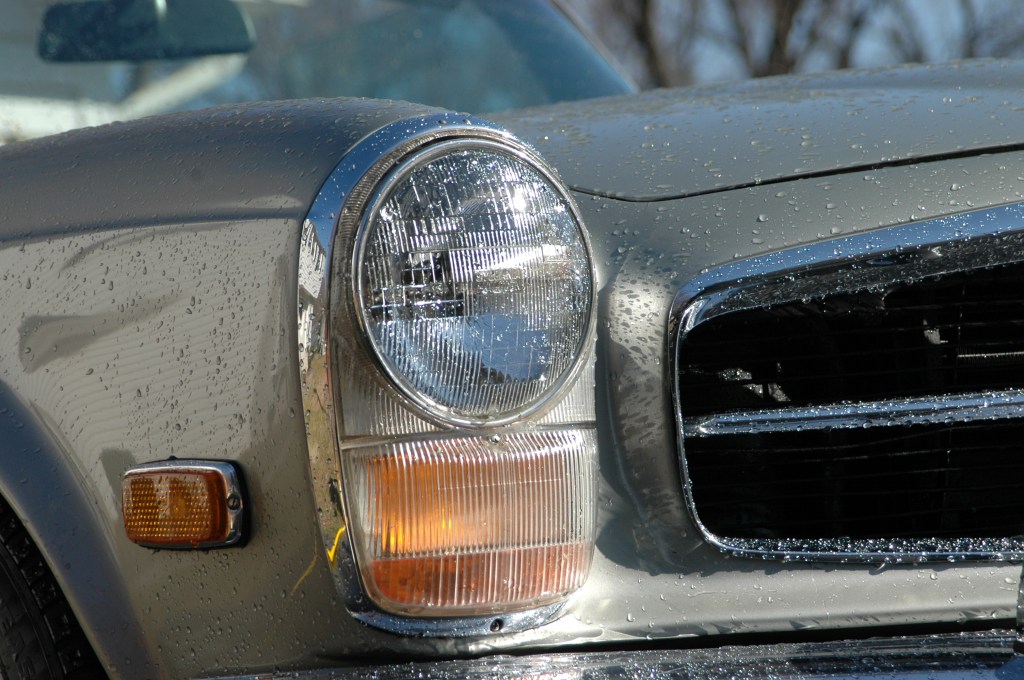
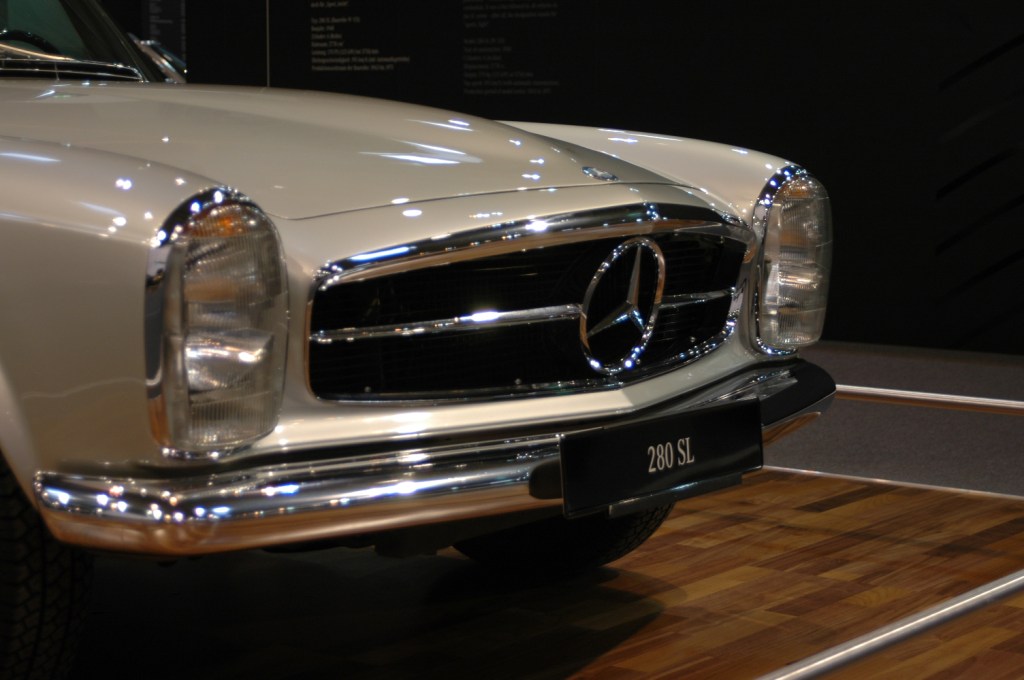
Moving forward, some Mercs with large upright composite ROW units came with 7 inch sealed beams in the States, such as the 300SL Roadster, 230/250/and 280SL Pagoda, and later the W114/115. This is where my fixation truly begins. I understand that the grass is always greener on the other side of the fence, an as people we are practically genetically predestined to want that which we cannot have.
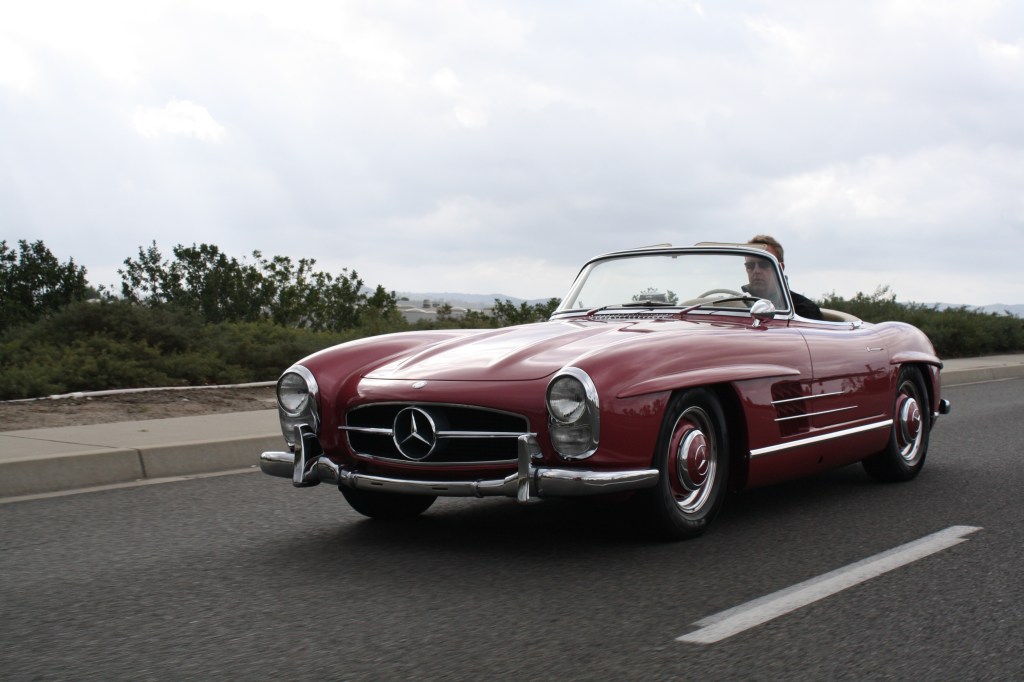
That said, the ROW lights made infinitely more sense both from a practicality standpoint with smaller replaceable bulbs and better light, but also just looking better and more cohesive with the vehicle’s design. When I bought my 1969 280SL, one of the first things I looked into was changing to the proper European-style headlights, which, even circa 2009, was about a $2,000 prospect. I made it as far as ordering the chrome surrounds, but soon after abandoned the whole plan having decided to sell the car.
On my 1972 300SEL 6.3 I made it as far as buying a set of used European lamps, only to discover after the fact that the 6.3 was the one vertical headlight Mercedes that came with four lights in every market – albeit with sealed beams in the U.S. and replaceable halogen bulb H1/H4s everywhere else. Sold them for a tidy profit, so there was that.
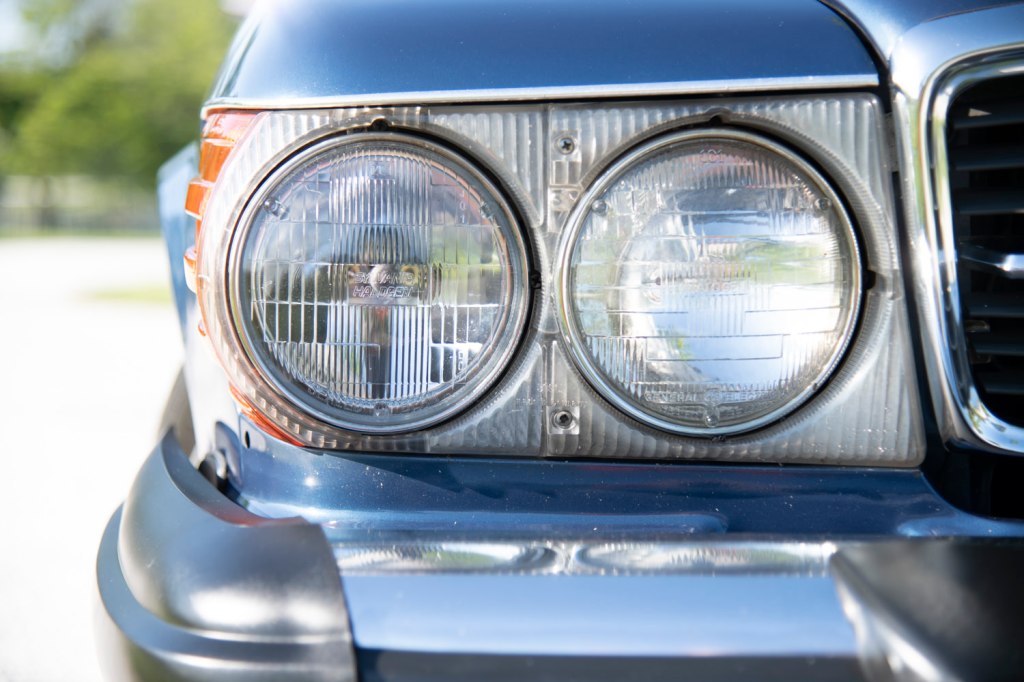
As a Generation Xer with a penchant for youngtimer Mercs, the most egregious examples of the sealed beam requirement come into play starting with the R107 and W116. Everywhere else, these cars were adorned with sleek, modern rectangular headlights that were so essential to the overall design of the car, and served a not unimportant role as part of the overall safety of the cars. Here in the good old U.S. of A., however, we got four round lights arguably crammed clumsily into a big grey plastic surround. I came very close to installing the correct lights into my 560SL, but opted not to due to 1) cost (about $800 for the parts) and 2) because even with the right lights the car would still have the humongous “park bench” bumpers also required under U.S. law – but that’s a subject for a different rant. I begrudgingly left it as was.
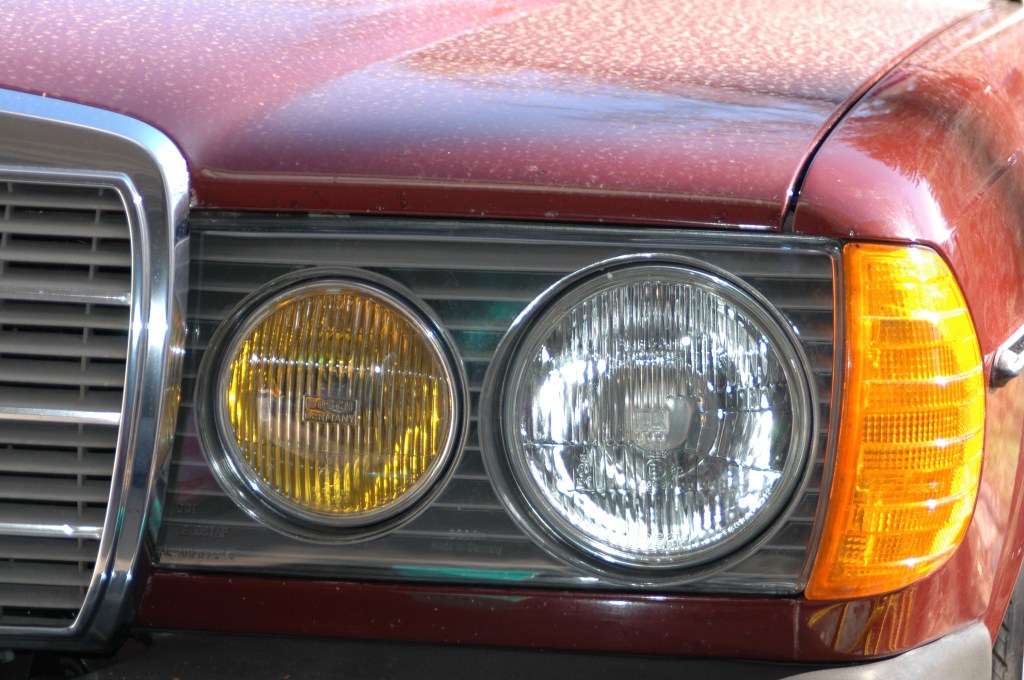
In 1975, the powers that be in America made another change to sealed beam law at the behest of U.S. carmakers: they allowed rectangular sealed beam lights – either 2 larger (200mm) units per car or four smaller (160mm) ones. Meanwhile, two of my favorite Mercs of all time were fast approaching – the W123 and W126. The W123 fills an interesting space in Mercedes headlight design history, coming originally with one of two different styles: large rectangular for higher-spec cars or two round – a larger and a smaller – lamps under a singular glass lens. U.S.-spec cars mimicked the latter of the two with a 7 inch sealed beam parked next to a smaller clear or yellow driving or fog lamp and surrounded by a big old plastic bezel. I don’t know the exact number, but I have changed out at least five sets of these for the rectangular ROW units over the years. On the 240D I have now I actually went the other way, simply swapping the sealed beam for a 7 inch Hella halogen with replaceable bulb. Difference in light was dramatic, but it’s still ugly!
Early 126s – both coupés and sedans – in the States used recessed large rectangular sealed beam lights, while ROW cars had smooth glass units that flowed seamlessly into the bodywork. The same is true for W201s. I’ve also changed a few of those in my day.
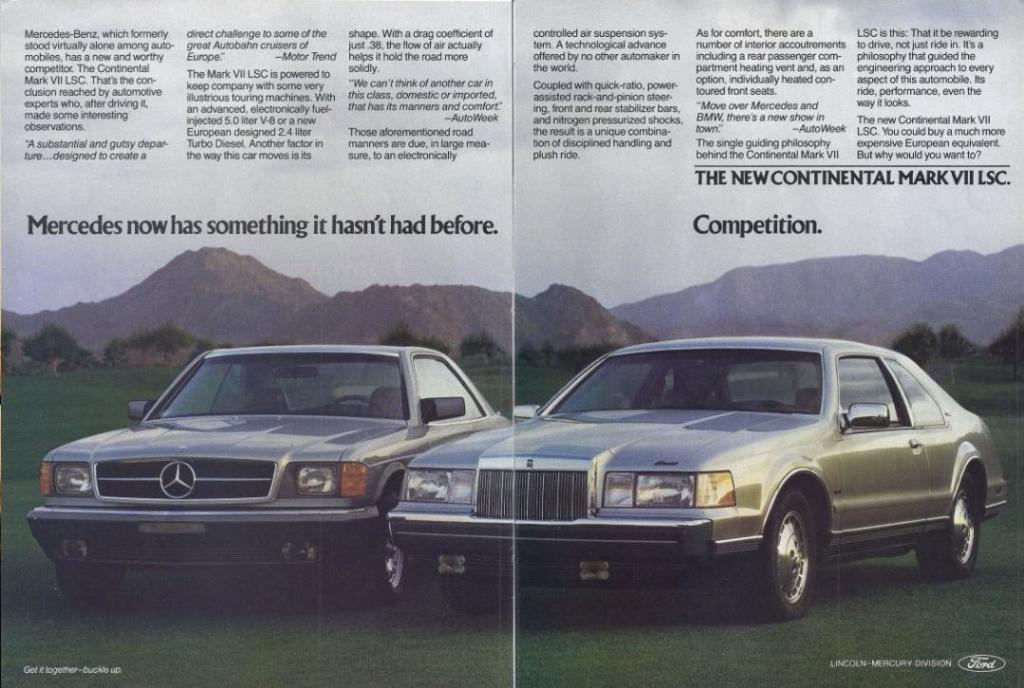

In 1984, facing ever increasing pressure, U.S. lawmakers finally relented and allowed manufacturers to use composite headlights of their chosen design. Interestingly, the first to market was on the Lincoln Mark VII Coupé, while manufacturers from the rest of the world scrambled to catch up.
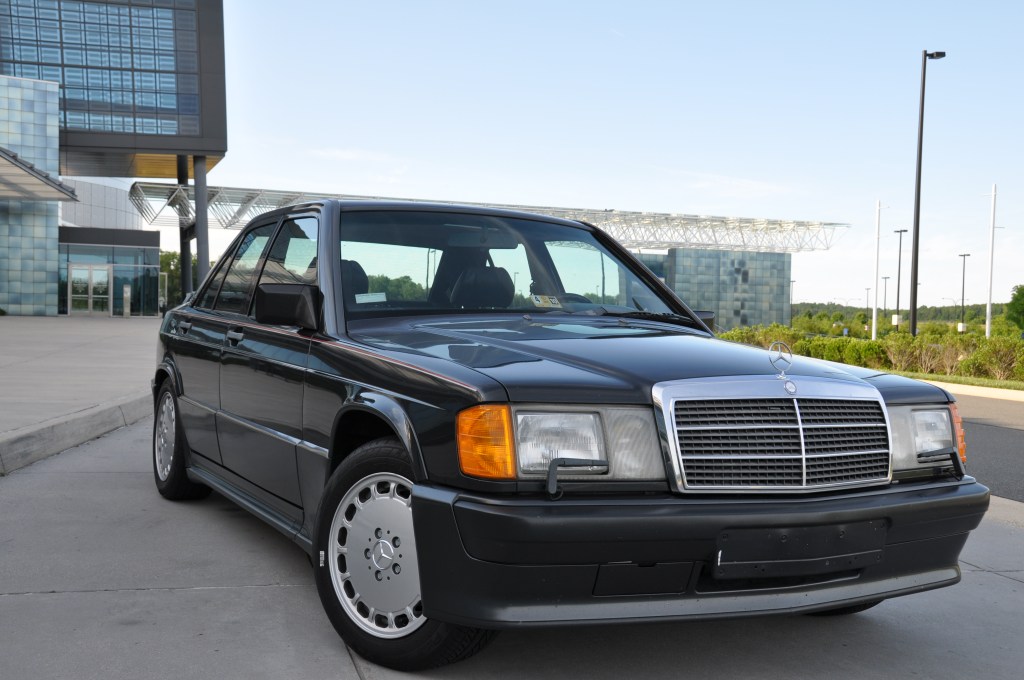
Later 126s as well as 124s up to 1993 came with strange hybrids of U.S. and ROW lights, with replaceable halogen bulbs in glass fittings but surrounded still by plastic bezels. Finally, starting with the 140 sedan, lights were essentially standardized across all Mercedes ranges worldwide, aside from minor subtleties.
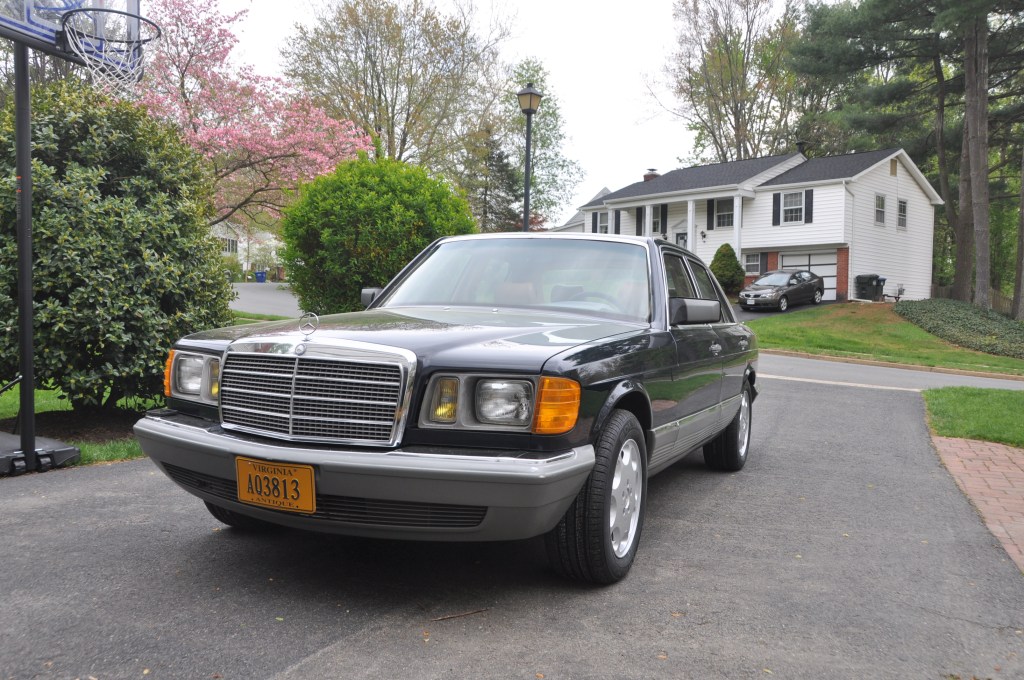
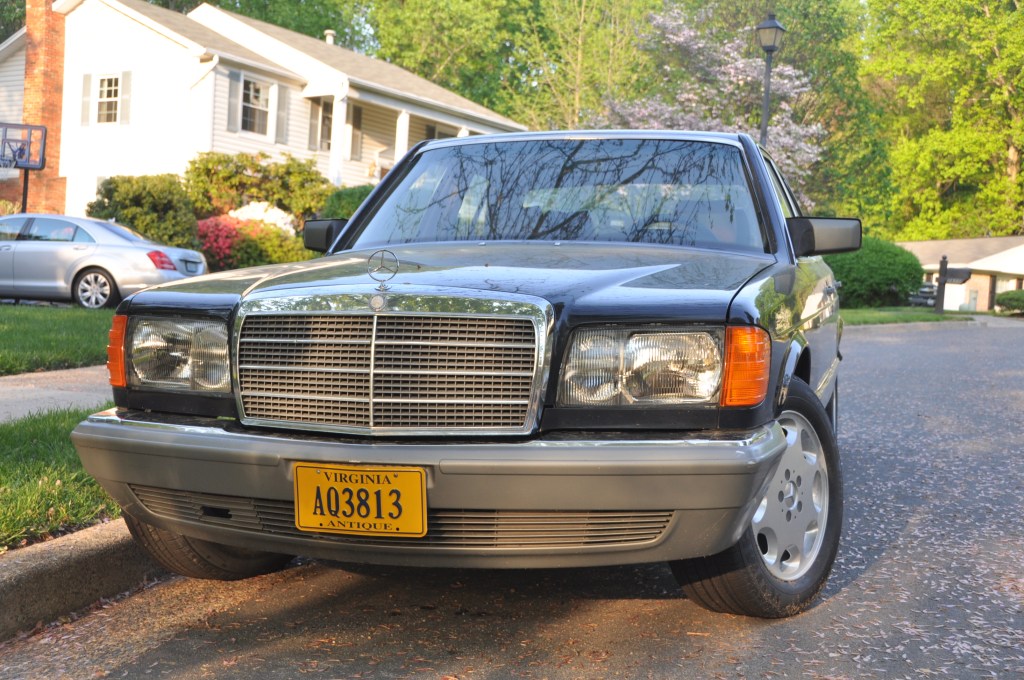
So what’s my issue? Quite simply in addition to wanting what I cannot have (without spending the bucks to have it), I feel strongly that these cars should be as they were originally designed. What we got in America were slightly bastardized versions of what were otherwise well-conceived, cohesive designs with both beauty and safety at the forefront. There are those that argue that the cars should be kept 100% as they came from the factory, functionality and aesthetics be damned. I suppose we’ll have to agree to disagree, and I’m going to keep changing out my headlights as time and money permit.
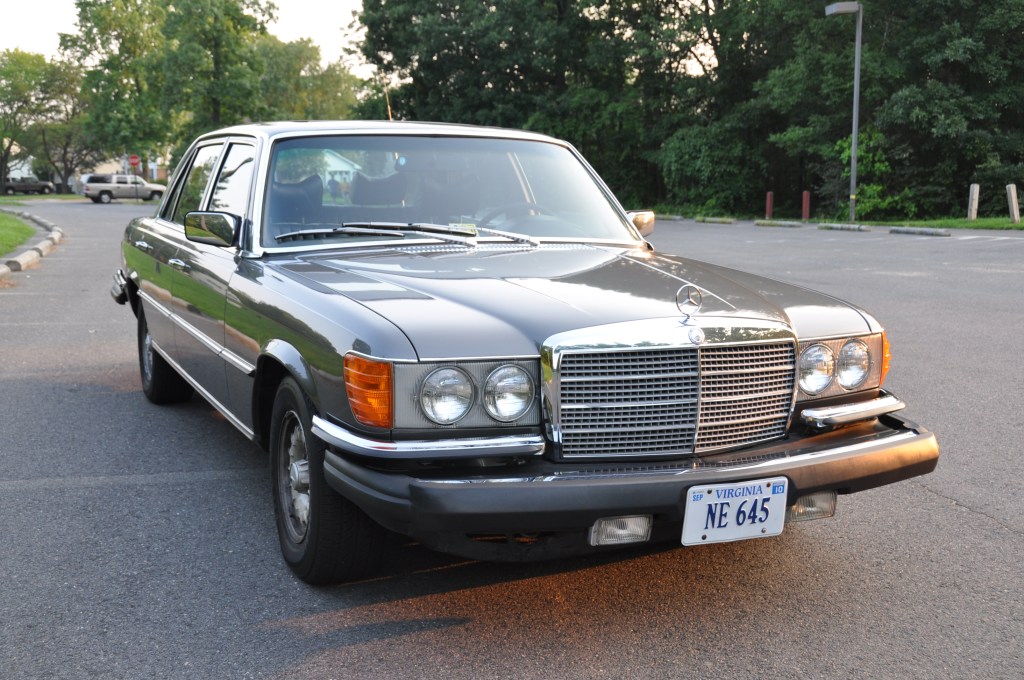
Now, about those US-spec bumpers….


 Totally That Stupid
Leave a reply to C zed Cancel reply