
A few years ago when COVID-19 was a relatively new thing, we here at TTS found ourselves perusing even more car ads in a variety of sources than maybe we were used to. All that newfound lockdown time meant that we could wander around the interwebs for hours in search of the next project or cream puff to bring home – but it also meant that we got increasingly frustrated with poorly-written ads that, frankly, drove us a little batty. So we decided to put together a primer for anyone selling a car, to help them avoid the common pitfalls that we see all to often as we search for the next wheeled masterpiece to grace our forecourts. The idea was really twofold: help sellers be more proficient at marketing their vehicles, and help buyers by helping sellers convey the details we really want to see. A lot of it may seem obvious, logical, and basic, but 10 minutes on FaceBook Marketplace will demonstrate quite the opposite.
Our hand-dandy downloadable free PDF TTS Guide to Making a Car Ad doesn’t tell you where to sell your car. There are so many options these days, that a seller really needs to consider both what will get them the best result, as well as what their comfort level is in terms of interaction and engagement. Sites like Bring a Trailer and Cars & Bids (as well as PCARMARKET, Hemmings Auctions, and numerous other auction sites) tend to generate high dollars for very good to excellent cars, but to achieve that a seller must be engaged and forthcoming in the discussions, and what we often refer to as the “peanut gallery” can quickly knock down a less than perfect car that is not represented as such AND the person selling it. Many folks don’t have the stomach for that, so may opt for non-interactional auctions like eBay, or more traditional classified listings on sites like CraigsList, Offerup, Cars.Com, FaceBook Marketplace, and Autotrader. For unique, rare cars or cars that specifically appeal to international audiences, consider also Autoscout24 and Mobile.de.
What our guide does cover is how to create the ad. Now, some auction sites have “specialists” who will write the text for your ad in such a manner that it appeases their lawyers with vague, non-committal descriptions. In those cases, it is all the more important for a seller to engage in the comments to give their version of the car, or at a high level what is not adequately addressed in the template text. For a regular classified ad you will usually have a limit around 20-30 pictures at the most, sometimes far fewer, so you may want to consider including a link to a photo sharing site with as many as 150+ detailed pics. It’s worth the time. Same goes for video – people like video, it’s just the way it is, and anyone can shoot halfway decent video using a smart phone, and upload it for free to YouTube. Do yourself a favor – it’s worth the little extra time.
Don’t want to download the doc? Well here are the fundamentals. But download the doc, it’ll come in handy as a checklist for you.
1. Key Elements of Ad Text
So you want to sell your car. Hopefully it’s because you’ve replaced it with something more interesting to you or you’ve decided that it has appreciated significantly and you’re ready to cash out and invest elsewhere. Whatever your motivations, in order to maximize your dollar whether you’re selling a pretty mundane car or something truly special, there are several key elements that should be included in every car classified ad. As a basic rule of thumb, be descriptive, informative, and avoid fluff and deception.
DO include:
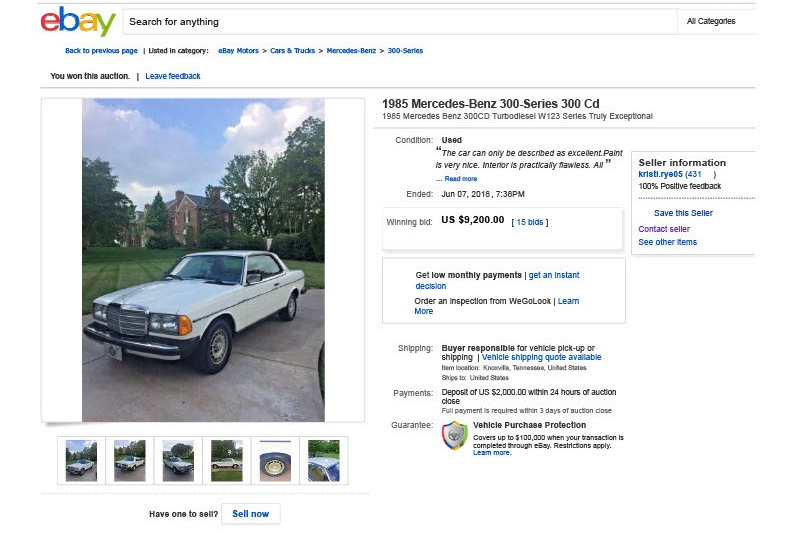
- Year, Make, Model, Sub-model (if applicable) – “1987 Mercedes-Benz 190E 2.3-16”
- Current Mileage
- Title Status (Clear, financed/need to pay off/branded and if branded, why?)
- Transmission – and no, a sequential shift/tiptronic is NOT a manual transmission. A manual transmission has a gear selector and a clutch.
- A list of accessories (AC, power windows, power locks, sunroof, stereo, heated seats, adjustable suspension, etc.) and their functionality. If it was equipped with something but it doesn’t work or is failing, just say so. Don’t make that a happy surprise when a buyer shows up or receives the car.
- Any modifications to the car.
- Any recent service work/part replacements/upgrades.
- Condition of wear and tear items – battery, tires, and brakes, primarily.
- A general description of the car including colors (inside and out), condition, known history, and why you are selling (unless there’s really no reason – although in those cases I just tell people honestly that I have a short attention span). If you’re a dealer, be upfront about it whether you have a brick and mortar shop or not.
- Any other condition issues including but not limited to: rust, dents, glass cracks, torn upholstery, sagging headliner, dash cracks, missing parts.
- Information you have about the car’s history, including accidents/floods/ odometer issues. If you have a CarFax or equivalent history report, offer to share it. If you don’t have one, seriously consider getting one (post-1980 cars only). If there is something negative on the report, explain it if you can.
- Availability to make the car available for inspection. There’s no reason not to let a buyer or their agent see a car. Likewise, there is no reason someone should buy a car that they can’t inspect if they like. MAJOR red flag.
- Comprehensive, clear photos per sections 2, 3, and 4 below. Also seriously consider shooting video and posting to a free account on YouTube.
- If applicable, relevant information about accepted payment methods, willingness to assist shippers.
DO NOT include:
- A complete history of the model, ESPECIALLY from Wikipedia. If I am looking at the car, I have an idea what it is. If I don’t know about it but am interested, I can Google it. Extraneous generic text about the car model will quickly make a potential buyer lose interest trying to sort through to find the details about the specific car on the table.
- “AC just needs a charge” – If it just needs a charge – CHARGE IT. This is one of my key pet peeves. As stated above, just indicate if it works or it doesn’t, and if you know anything specific about why it doesn’t (no compressor, receiver dryer fell off, etc.) then state that.
- Blurry photos, pictures of your girlfriend posing with the car, pictures of someone else’s car (even if “just for reference”), pictures that are too close or cut off, pictures that conveniently miss major issues, edited pictures.
- A complete lack of information. Again, I’ve gotten some great deals this way, but we’re trying to help you – the seller – here. A little bit of effort will make a difference.
2. The Five Pictures You MUST Include
In this day and age, there is really no excuse for not taking pictures – decent ones at that – if you’re trying to sell a car. There are five pictures that EVERY seller should take to include with their ad:
- Front/Quarter
- Rear/Quarter (opposite side of car from front quarter)
- Front Seat Area
- Rear Seat Area
- Engine Bay
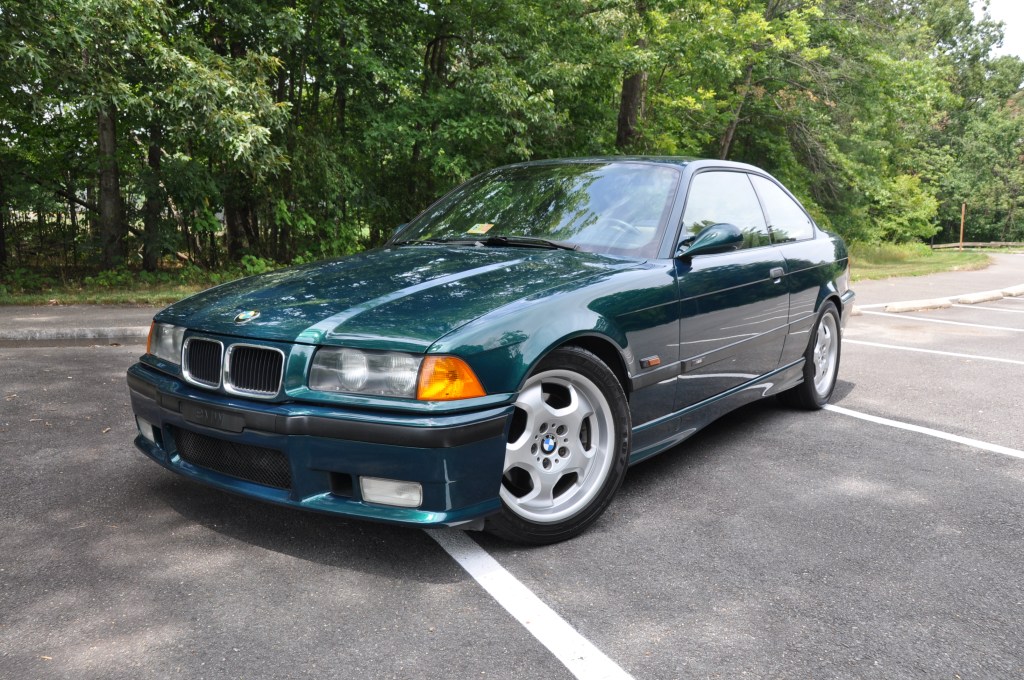
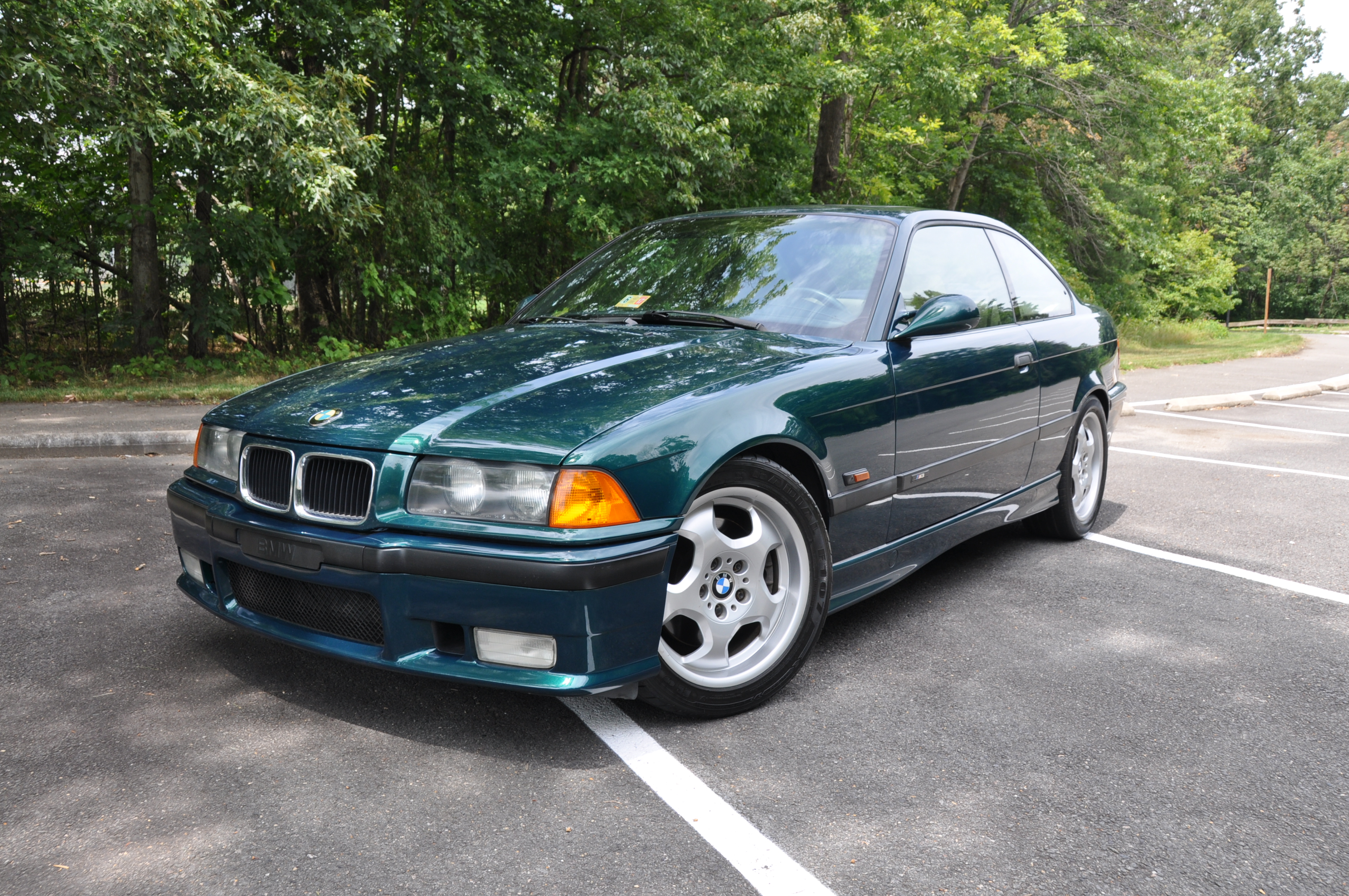
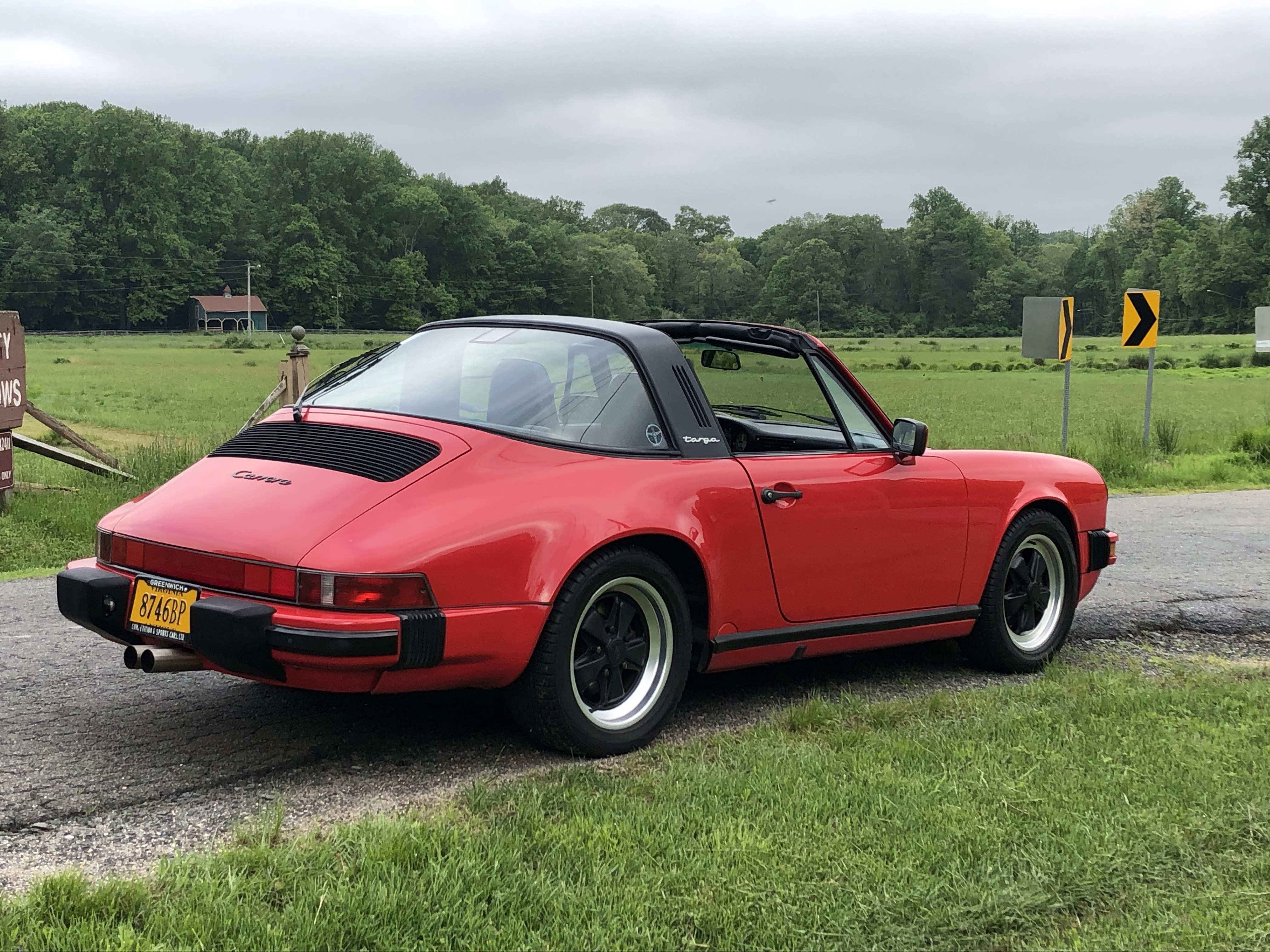
It is important to give buyers an overview of the whole car, so if you take a picture of the front of the car from the driver’s side front quarter (as with the green E36 M3 at the top of this article), take the picture of the rear of the car from the passenger side (as with the red 911 Targa above). That way you capture the entire car in just two photos. Pay attention to the background of the photos as well – nobody wants to see the couch on your front yard. Your best bet is to find a nice park, parking lot, or some other aesthetically pleasing area the complements the car but doesn’t take attention away from it.
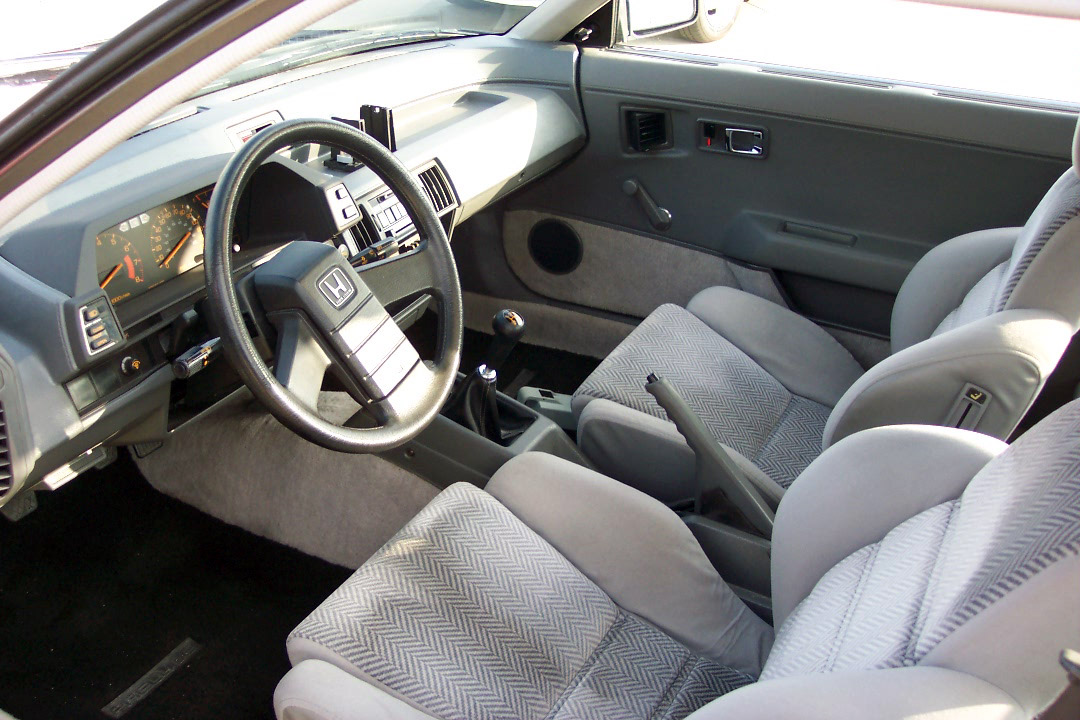
The interior is critical as well. This is where your buyer is going to spend the vast majority of their time with the car, so it stands to reason that they want to see what it looks like. Sine we are just talking about the five critical photos now, a good shot of the front seat area and the rear seat area (if it’s not a 2-seater) are key. Looking at this second generation Prelude, we can see both seats, the dash, and the floors. I can tell it’s a manual transmission, and it doesn’t look like someone lived here through college.
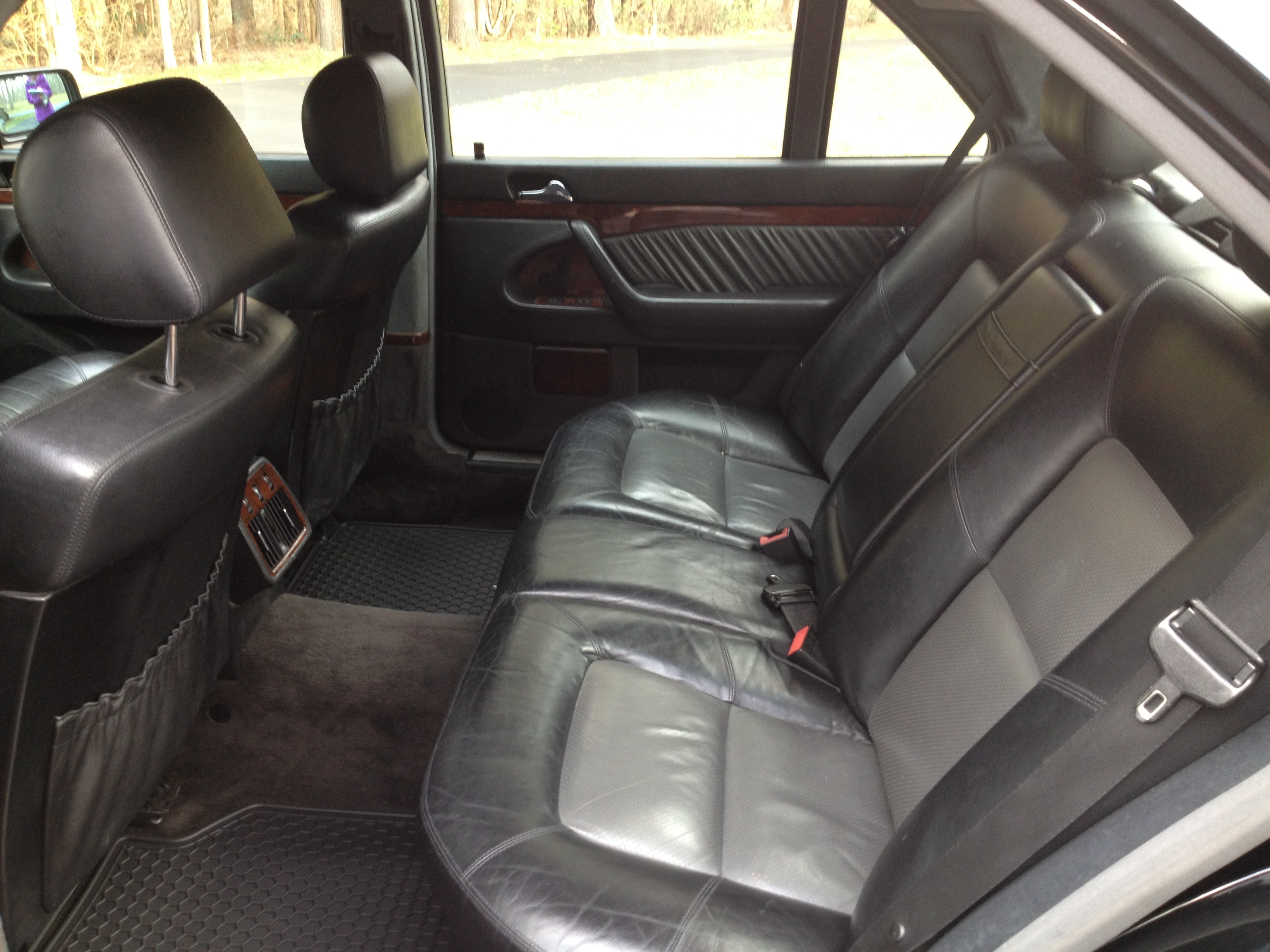
This picture also gives me a sense for the condition of the car, and in the case of this S600 rear seat, I can even imagine how it smells and feels! Note the factory all weather floormats. We buyers like to see things like that.
The last of our five critical photos is the engine. Granted, the majority of buyers are not expert mechanics, and even if they are they cannot tell the condition of the motor by looking at a picture of it. That’s all the more true these days with plastic covers basically hiding everything mechanical.
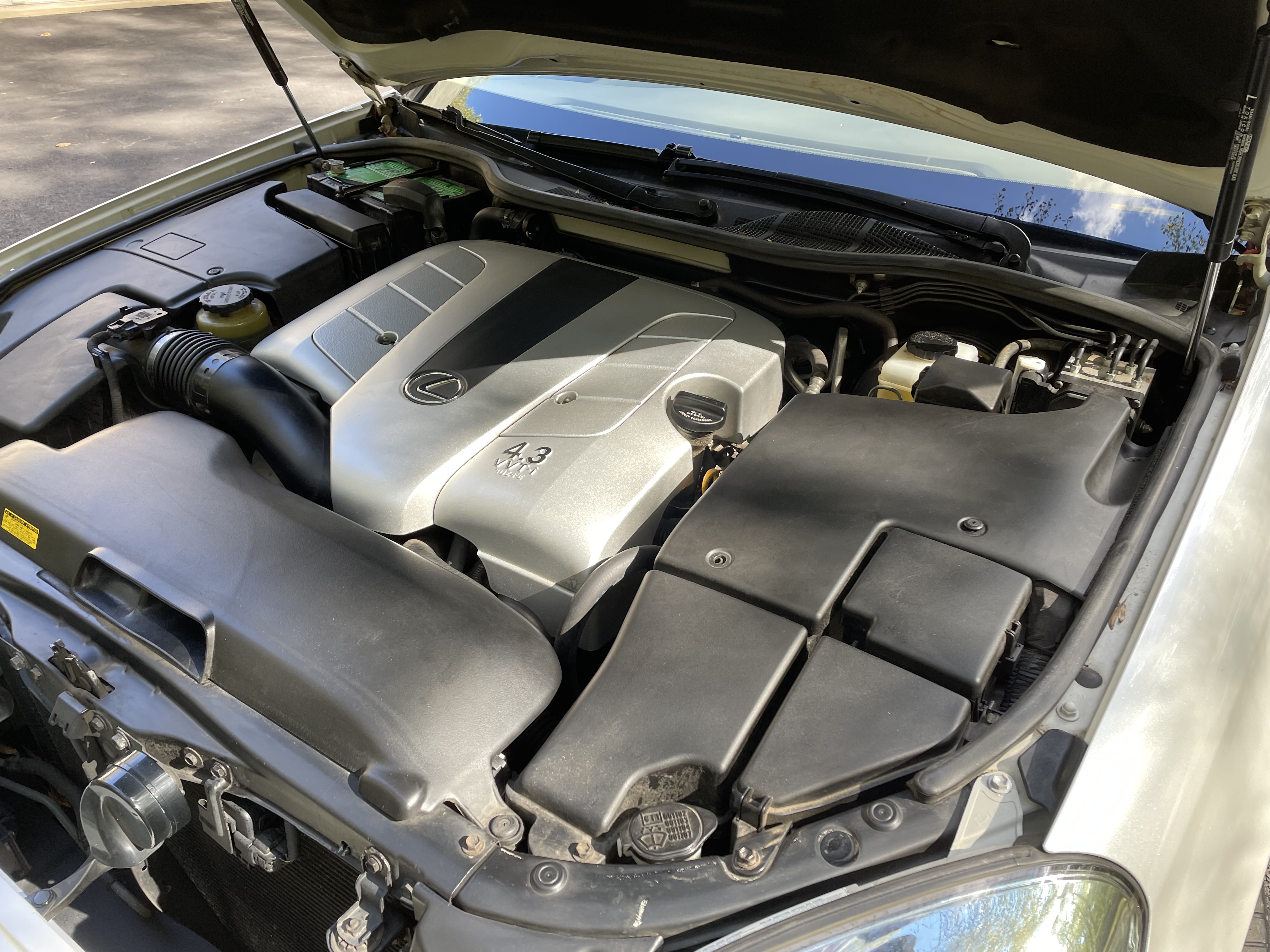
Still, I want to see the motor. It shows me that you, the seller, at least know how to open the hood. This photo is not my finest hour, because I clearly didn’t so much as wipe it down before I took the picture – but even so it’s an honest depiction of what I was selling at the time (a 2002 Lexus LS430).
3. Five More Photos You Really Should Include
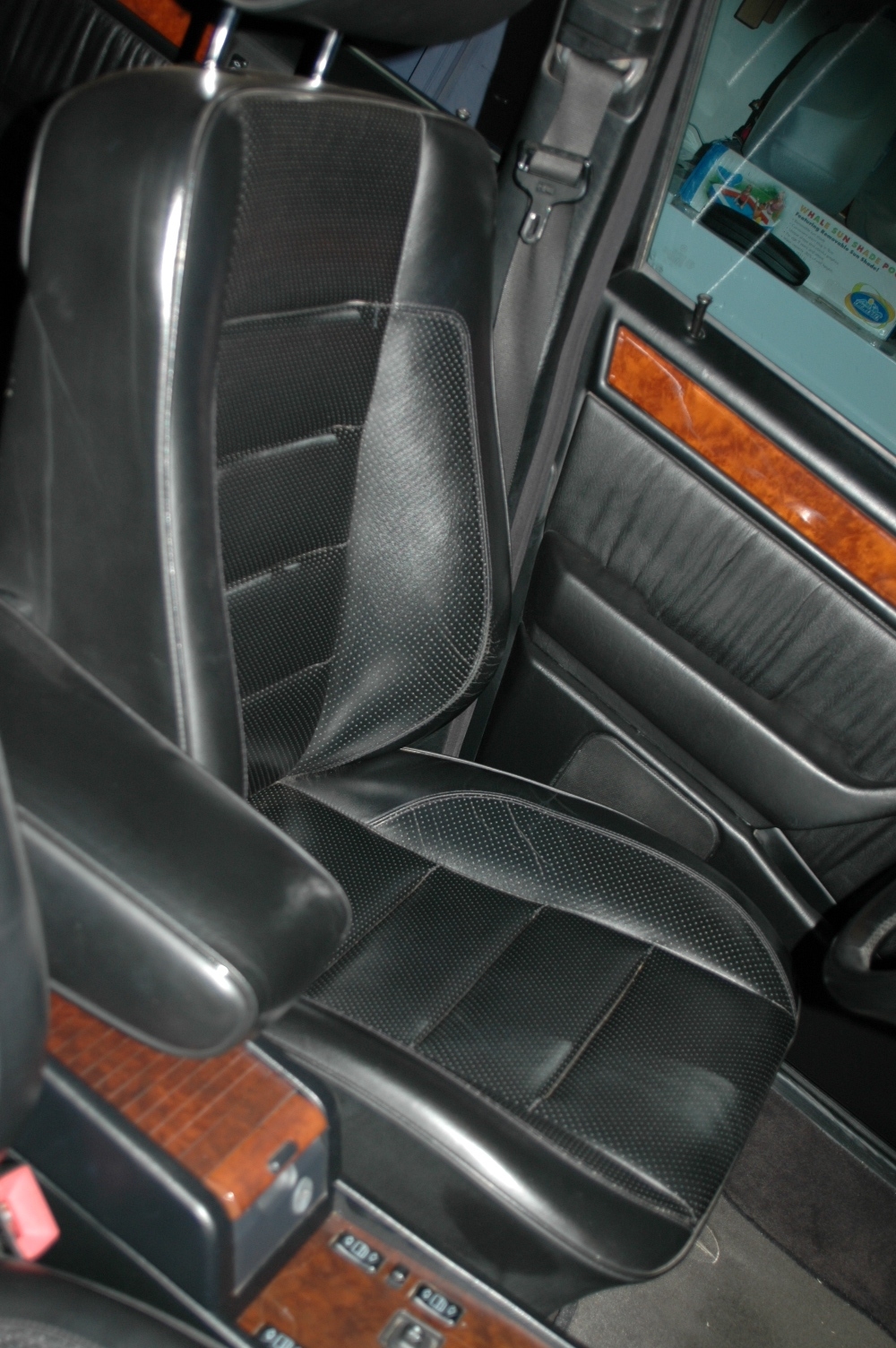
Let’s assume for a moment you are not lazy, have a few extra minutes, and are inclined to go “above and beyond” to sell your car. As the buyer, the more I can see means the less likely I am to be a time waster. So what else do I want to see? The driver’s seat photo above is a great example – so often an interior can be great, but the driver’s seat (the one that gets used the most) is thrashed. This 500E had over 240,000 miles when I shot this picture. Show me yours.
- Convertible Top (this is really a MUST if you’re selling a convertible)
- Problem Areas – Rust, damage, etc. (again, really a MUST, but if you don’t take pictures you have to describe)
- Driver’s Seat
- Trunk
- Modifications
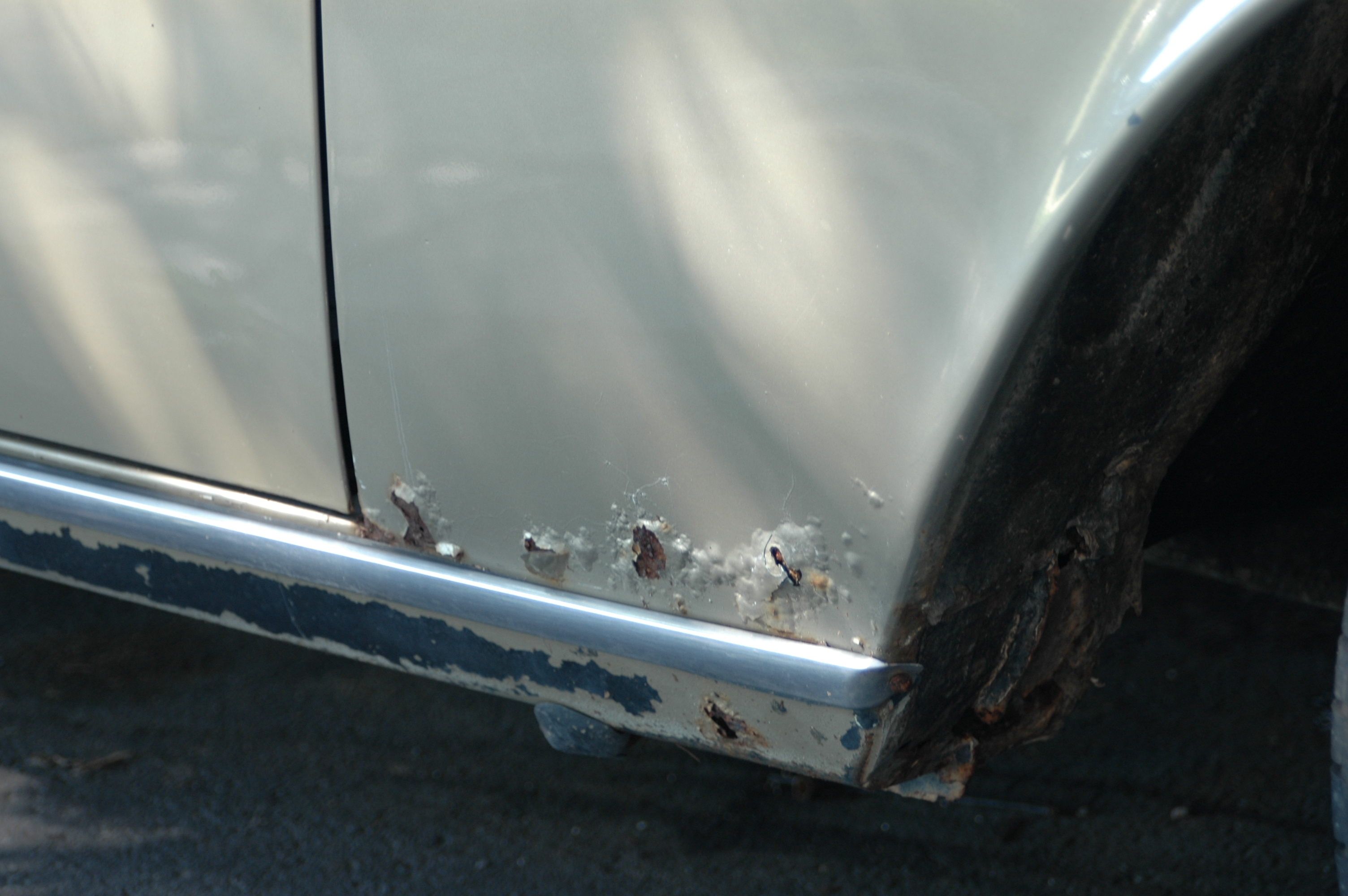
Cars age. It’s a fact of life. Sure, you may be selling an all-original, delivery-mileage, hermetically-sealed, factory new something or other, but most folks aren’t. Rust, corrosion, nicks, and dents are not necessarily dealbreakers, but be honest about them. One of the most frustrating things in the world is a seller representing a car as “showroom” or “perfect” and finding something like this rust trap (a 1971 300SEL 6.3) above. But maybe I’m okay with a project. DISCLOSE!
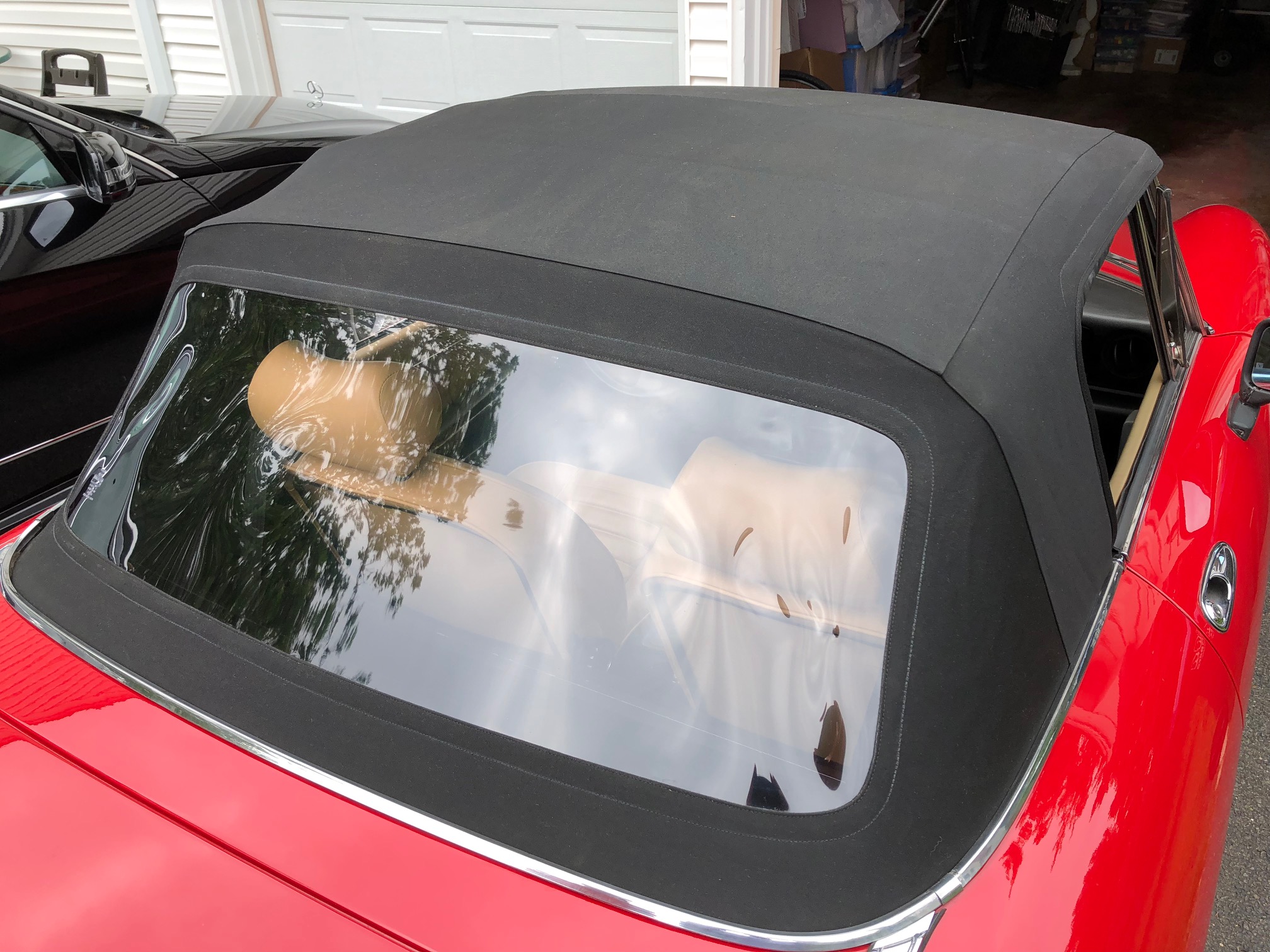
If you’re selling a convertible, I want to see the top. I want to see if it’s faded, torn, and if the window is clear enough to see out of. Seems pretty logical, yes? Tell that to the majority of sellers. It’s also important to show both tops if the car comes with a hardtop as well, and the text of the ad must include functionality of the top. But more to come on that.
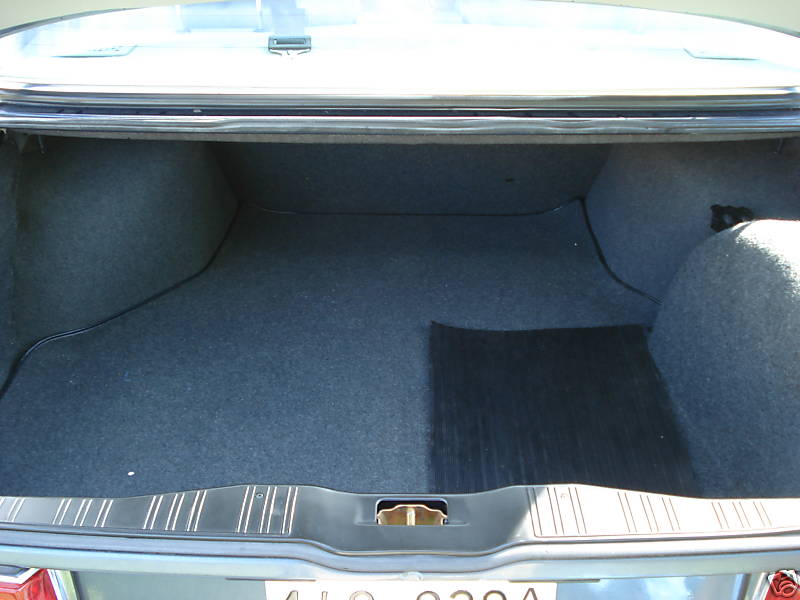
This BMW 733i had a crazy clean trunk – very much worth showing to prospective buyers. I failed to capture the toolkit in this picture, and that would have been even better (like the 1970 BMW 2800 below).

Gorgeous, ain’t it? Only missing the spark plugs.
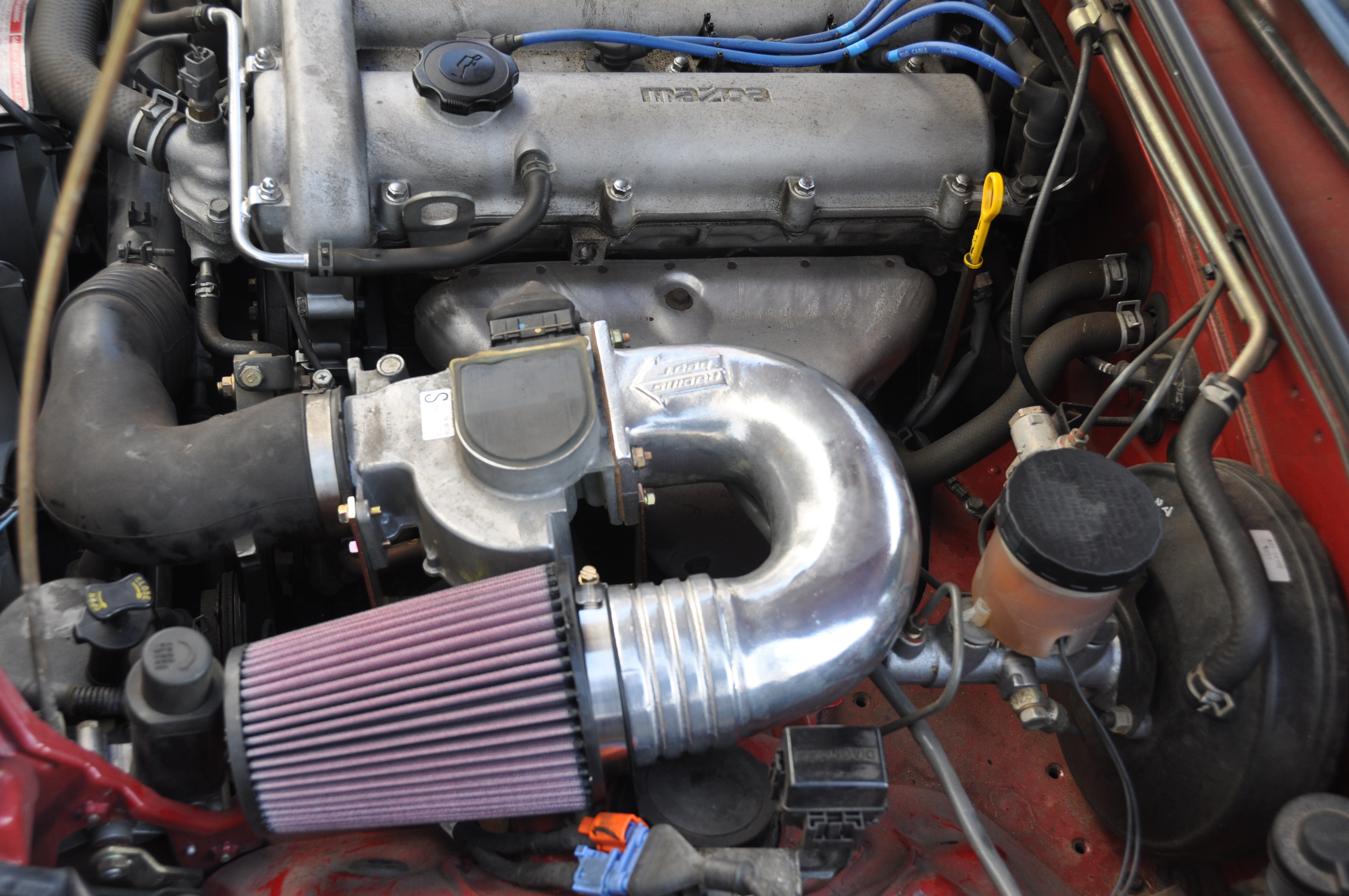
If you’ve made any modifications to the car, or they were made prior to your ownership, try and show those. This NA Miata has a simple Racing Beat intake added to it, but it’s worth showing – and explain in the text of the ad if you retained the factory parts. Some folks like mods, some folks are ambivalent about them, and some abhor them. Let them see what they’ll have before they show up at your door.
4. Other “Nice to Have” Photos

Some selling sites are very generous with their allotment for the number of pictures you can include with a listing. In those cases, I am a firm believer in more is better. Usually you have up to around 15-25 photos available – again, unless it’s a specialty car auction site or the like. With that added space available, there are a few more photos I know I like to see, of course your mileage may vary. Here are some thoughts:
- Dashboard
- Door panels
- Odometer
- Undercarriage and hard to see areas like door bottoms, etc.
- Known Trouble Spots
- Books and Records
- Other OEM equipment (tool kits, emergency kits, extra floor mats, repair manuals, third seats, etc.)
- Tires and Wheels
- More angles – interior, exterior, engine, undercarriage, trunk


5. Video
- Exterior walk-around: Point-out any obvious or even subtle flaws in the paint, rust, dents, scrapes, etc. as well as known trouble spots which your car may not have succumbed to.
- Interior and start-up: Show off the front and rear (if applicable) seating areas, dashboard, and carpets. Sitting in the driver’s seat, turn the car to the on position but don’t start it yet – show the warning lights on the dash. Make sure the radio is off before you shoot the video. Start the car with the door open so the motor can be heard starting. Show the gauges again with the warning lights hopefully extinguished. Turn on accessories like the fan/ac, radio, open/close the roof (if applicable) and windows. Then pop the hood and get out of the car, walk around, open the hood, and shoot the engine running.
- Driving video: Ideally you will have a partner or a phone holder, but take extreme caution if you do not. Shoot the car engaging into gear, then driving in a mix of slower and quicker roads. Acceleration is good to include, along with cruising. Again, cycle through things like the fan/ac, radio, use turn signals, etc.
My videos here are “amateur” at best, but give a decent sense of the cars. For examples of some excellent videos, check out master seller Dean Laumbach’s channel on YouTube.
6. The Selling Process
So your ad generated a good response, and you’ve got a buyer on the hook. Assuming this car checks all of his or her boxes, here are some considerations for the actual sales process:
- Be available and responsive. If someone is looking at spending real money on your car, don’t be hard to reach.
- Answer all of their questions, even the tough ones.
- Let them have the car inspected by a pro – at their expense. Ideally you may have had a mechanic look it over before you listed it for sale – especially if the price of entry is more than about $10K. I’m a fan of the buyer coordinating getting it to or from the inspector or the inspector coming to the car, but that’s really up to you as the seller.
- Be willing to sell remotely. The internet means we can see ads all over the world. The ability to purchase should come down to 1) the buyer’s ability to pay (and the payment clearing the bank); 2) whether the car meets local requirements (read: US EPA/DOT and 25 year rule); 3) The buyer’s ability to have the car picked-up and delivered to them at their expense – but be flexible about working with the shipper on meeting times, etc. Conversely, be willing to pick the buyer up at a nearby airport.
- For remote buyers or folks who may be in-person hesitant, videos available on YouTube as detailed above can be invaluable. Alternately, consider offering a Skype or FaceTime walkaround with the potential buyer.
- Accept convenient payment methods. My favorite is bank wire transfer/ACH, but if the buyer is willing to pay the fee I’ll take PayPal. Bank checks are okay, but take longer to clear.
- Offer to express important documents once payment is clear – title and bill of sale primarily. If there is a lot of service history, spare keys, expensive or rare bits – send those separately as well. It’s not all the time, but stuff can disappear from a car during shipment.
With that, happy selling!!
And if you haven’t yet, you can still download our guide here!
Please feel free to add your additional thoughts or suggestions to the comments section below.

 Totally That Stupid
Leave a comment