
Those of you who either know me or have been reading this blog for long enough may remember I grew up in a family of Datsuns and Nissans.
It started with my Dad and Uncle in the early 1970s with Datsun 510s, 610s, the occasional 710 and 810, and a handful of Roadsters. (The fact nobody had a Z-car still baffles me.) Later, there was a Nissan Sentra and then an Infiniti Q45a. Somewhere in the middle, my cousin and his wife concurrently had new 1989 Nissans 240SX hatchback and Maxima SE, both with proper five-speed manual transmissions.
The 240SX seared itself into my brain as the correct format for a small sports coupe – reasonable engine, manual cog box, rear-wheel drive, light and lively handling. The Subaru BRZ and Toyota GR86 are the spiritual successors to the Nissan 240SX, and we should all buy them.

This generation of Maxima – the J30, not to be confused with the U.S.-market Infiniti-badged J30 on the Y32 Nissan Leopard J Ferie platform – ushered in the 4DSC moniker, aka the “four-door sports car.” With smooth and handsome styling, a sharp interior with great ergonomics, a reasonably powerful 3.0-liter 160-horsepower (later 190 in the SE) V6 engine, plus playful handling, those 4DSC stickers on the rear quarter windows weren’t wrong.

Much later – in 2006 – when I moved to the North Woods, my new coworker/friend Braden had a similar Maxima SE. Being so much older and a Minnesota car, this Maxima was horribly rusty but still a strong runner. At least I think it was; the fumes from the leaky exhaust manifolds getting sucked into the cabin on a cold winter’s day meant permanent brain damage a damn good buzz.
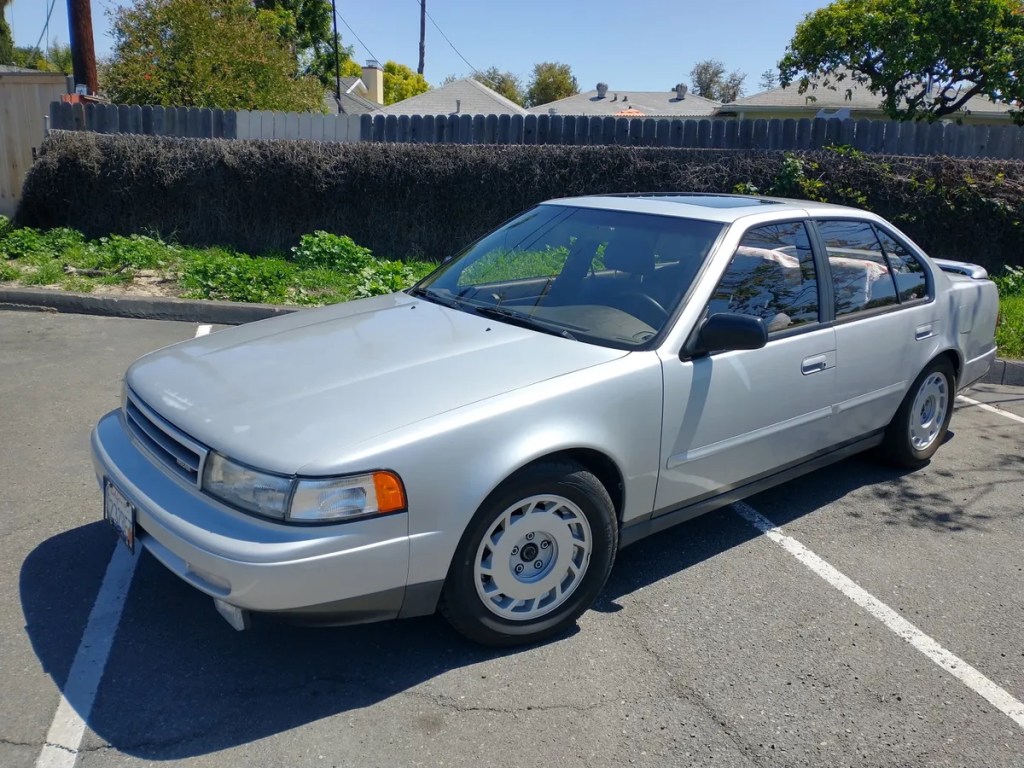
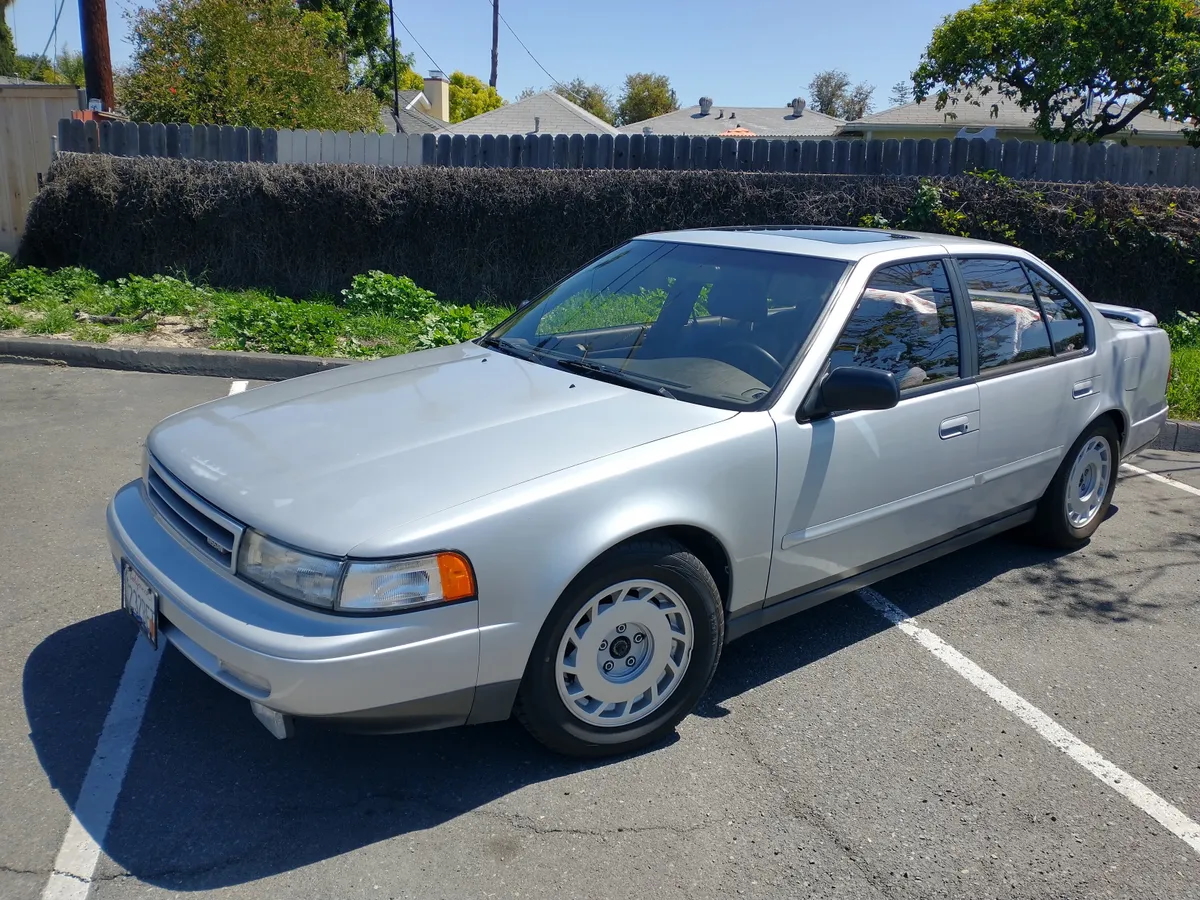
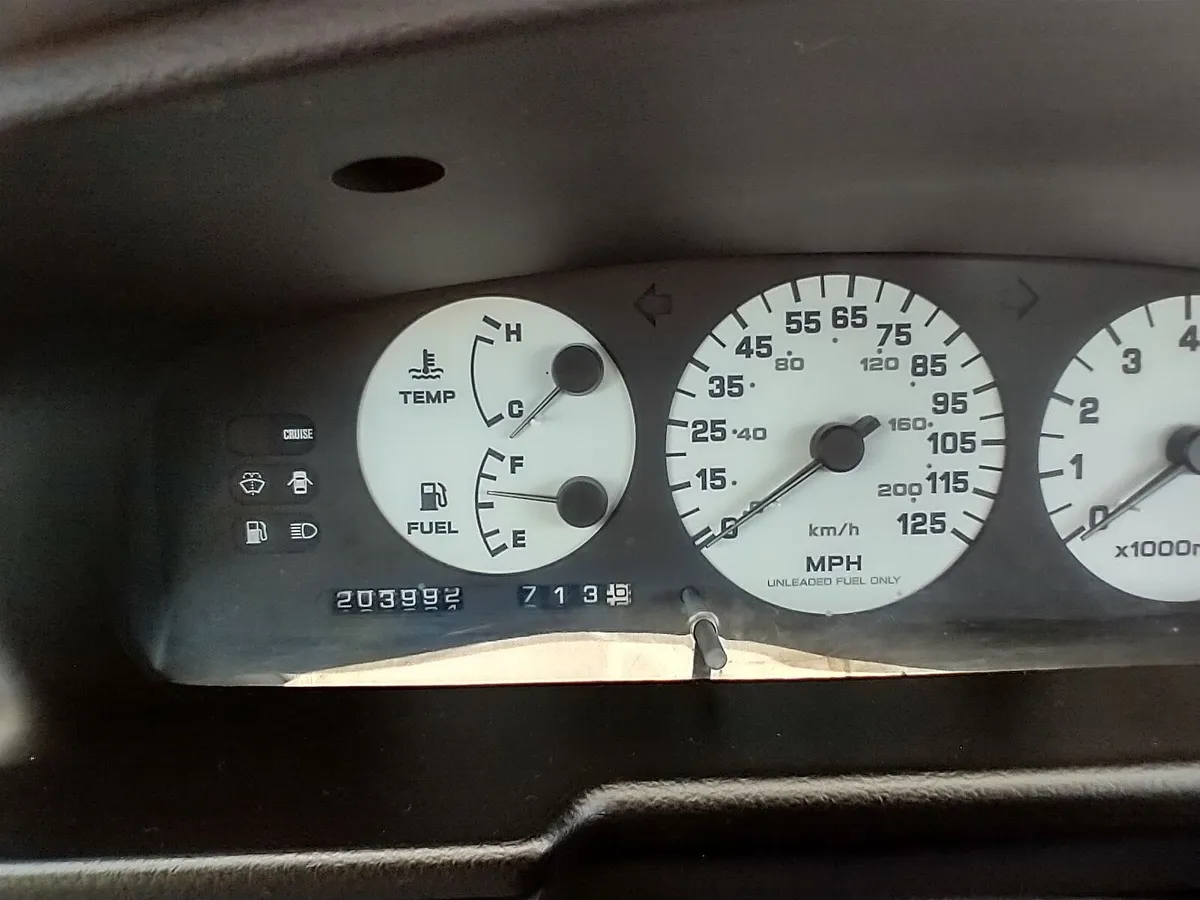
Today’s CHOTW – a one-family-owned 1989 Nissan Maxima SE five-speed with 204k miles that has mostly lived in southern California – falls somewhere in between brand-new and all used up, as you’d expect.
The overall condition suggests that, despite a bit of lower front fender rust to go with its 36 years of daily driver wear and tear, it has always slept in a garage. Of course, it has some needs: the timing belt is overdue; there’s a slight valve tick; the weak engine thermostat causes the temperature gauge to randomly drop; the turn signals are wonky; the CV boots and other under-car rubber components may be crumbling.

So mechanically it’s a bit of a project, though maybe slightly less a cosmetic project (there’s a little rust where the spoiler bolts to the trunk, too). But, damn, a lot of this car looks great.
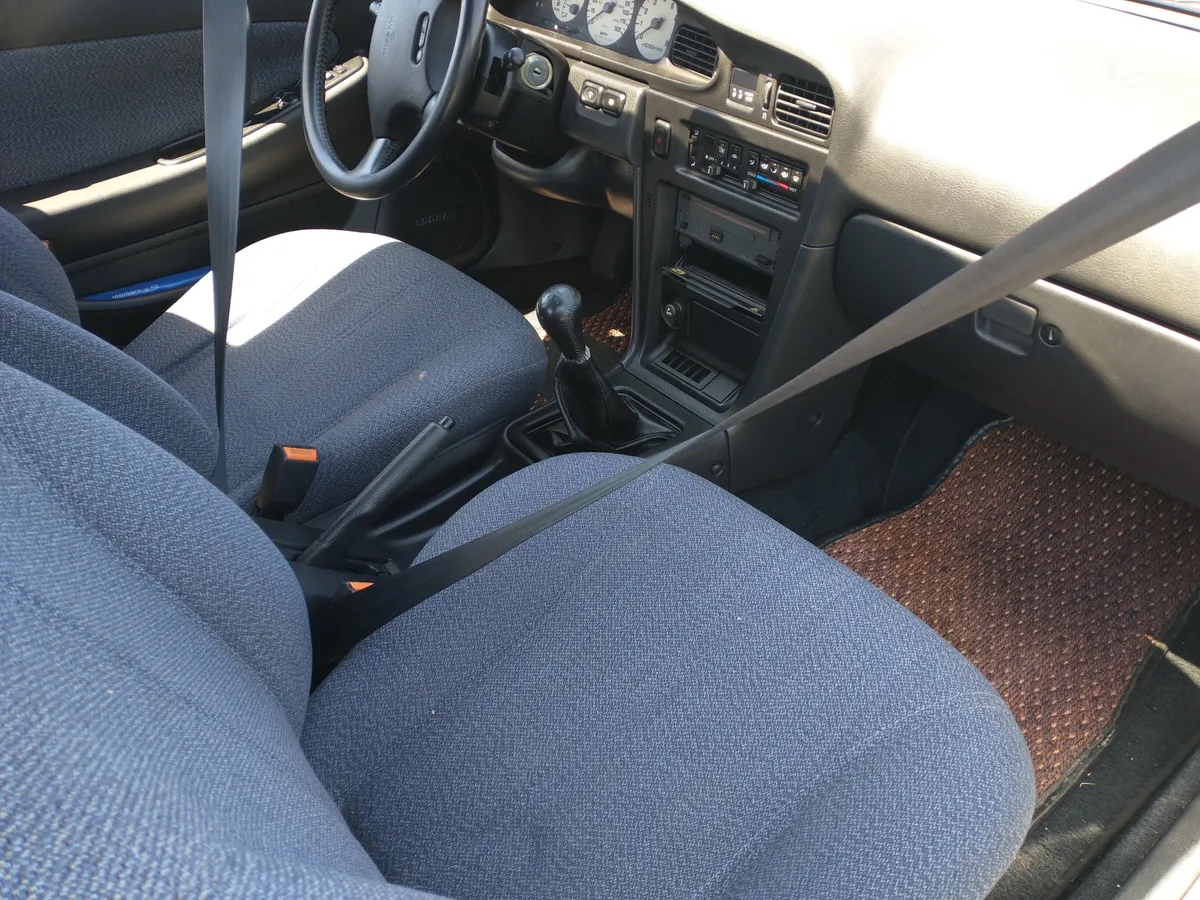
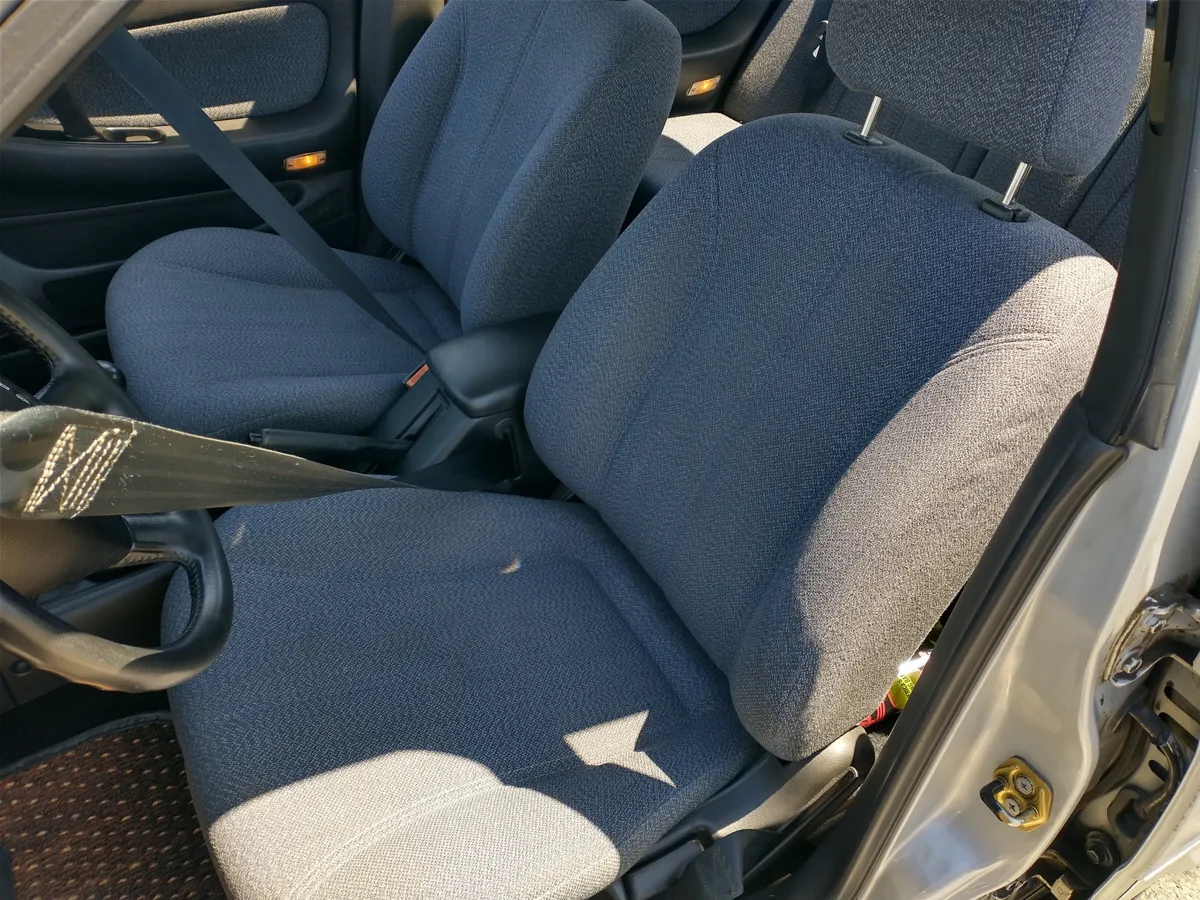


The interior appears really clean with nice original cloth upholstery and an uncracked dashboard. Check out the pedal pads and the rest of the driver’s footwell, the steering wheel, the rear shelf and Bose speakers (wonder if those work), the shift knob and boot, and even the bit of rubber seal we can see around the driver’s door opening – shockingly well-preserved, all of it.

The paint isn’t burned off the top surfaces of the body like you normally see on cars that have lived their best lives baking under the SoCal sun. Check the door rub strips; they still have paint on them. Indeed, much of the exterior plastics and trim look solid. The engine compartment is beautifully kept, too, and definitely a place you’d want to spend some time wrenching.

Confession time: I’ve had this window open for more than a week while I got around to putting these words together. In that time, the price has dropped from $3,000 to $2,500, leading me to believe the car is still available. As mentioned, it’s a bit of a project, and rust as a concept is anathema to those on the lower left coast.
Someone maybe not there, however, really needs to save this car.
 Totally That Stupid
Leave a comment